 Back
Photos taken by Nara Loka — photo reports from Buddhist journeys
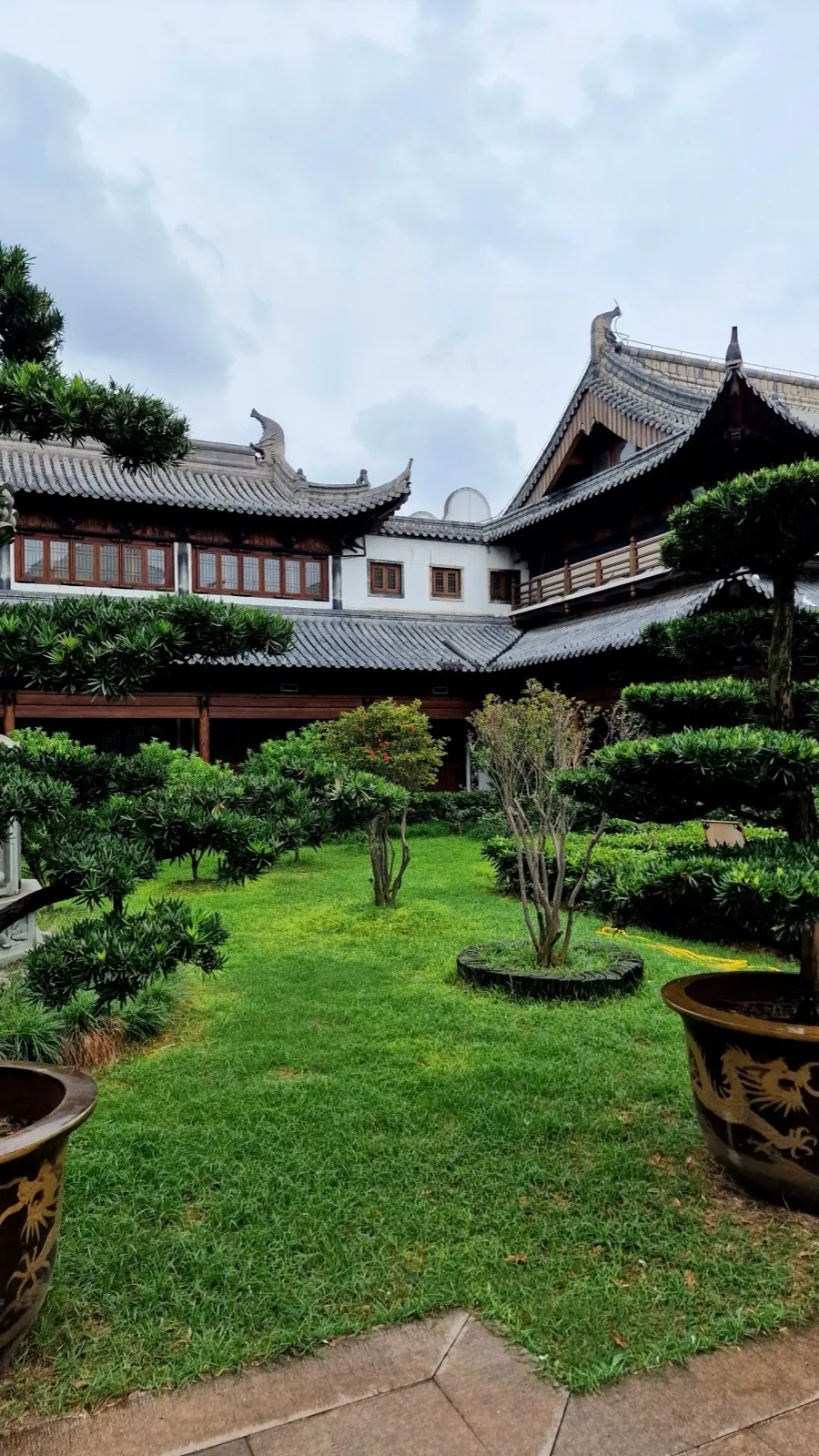
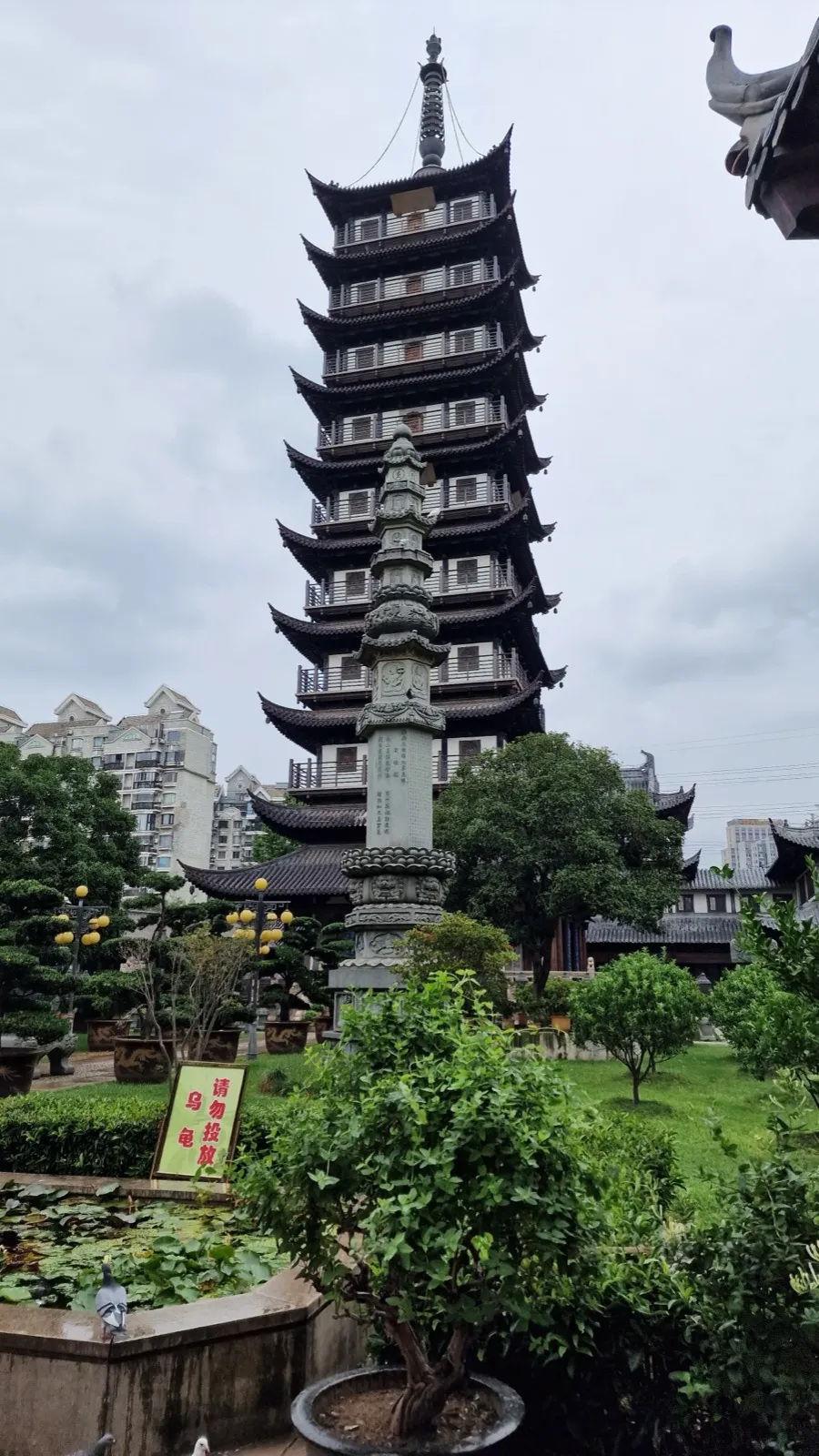
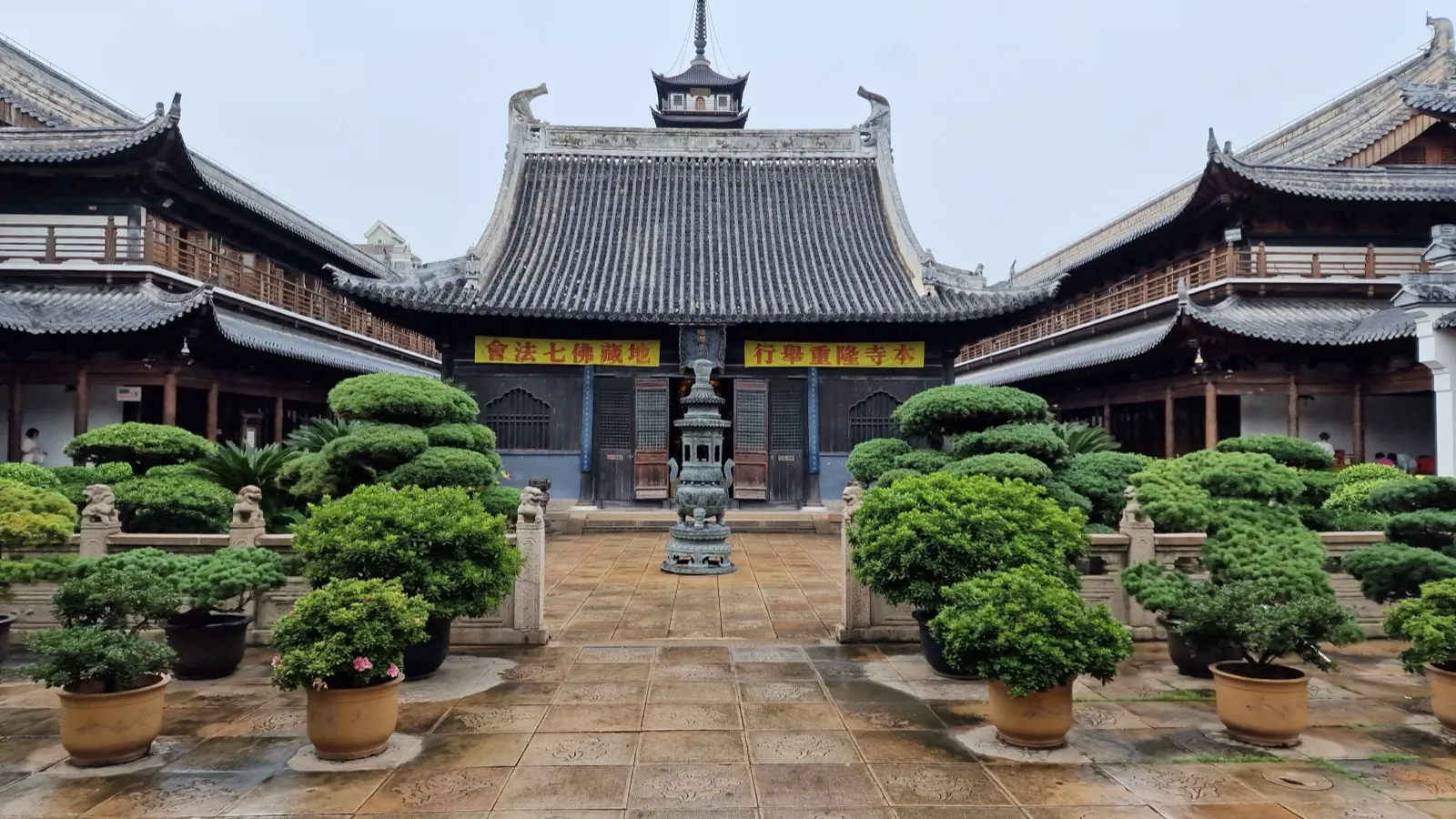
Thusness Temple(真如寺 / Zhēnrú Sì) in Shanghai
built around 960. In its central hall stands a magnificent statue of Guanyin looking in four directions. Guanyin (full name Guanshiyin) can be translated as “She who perceives the sounds of the world”
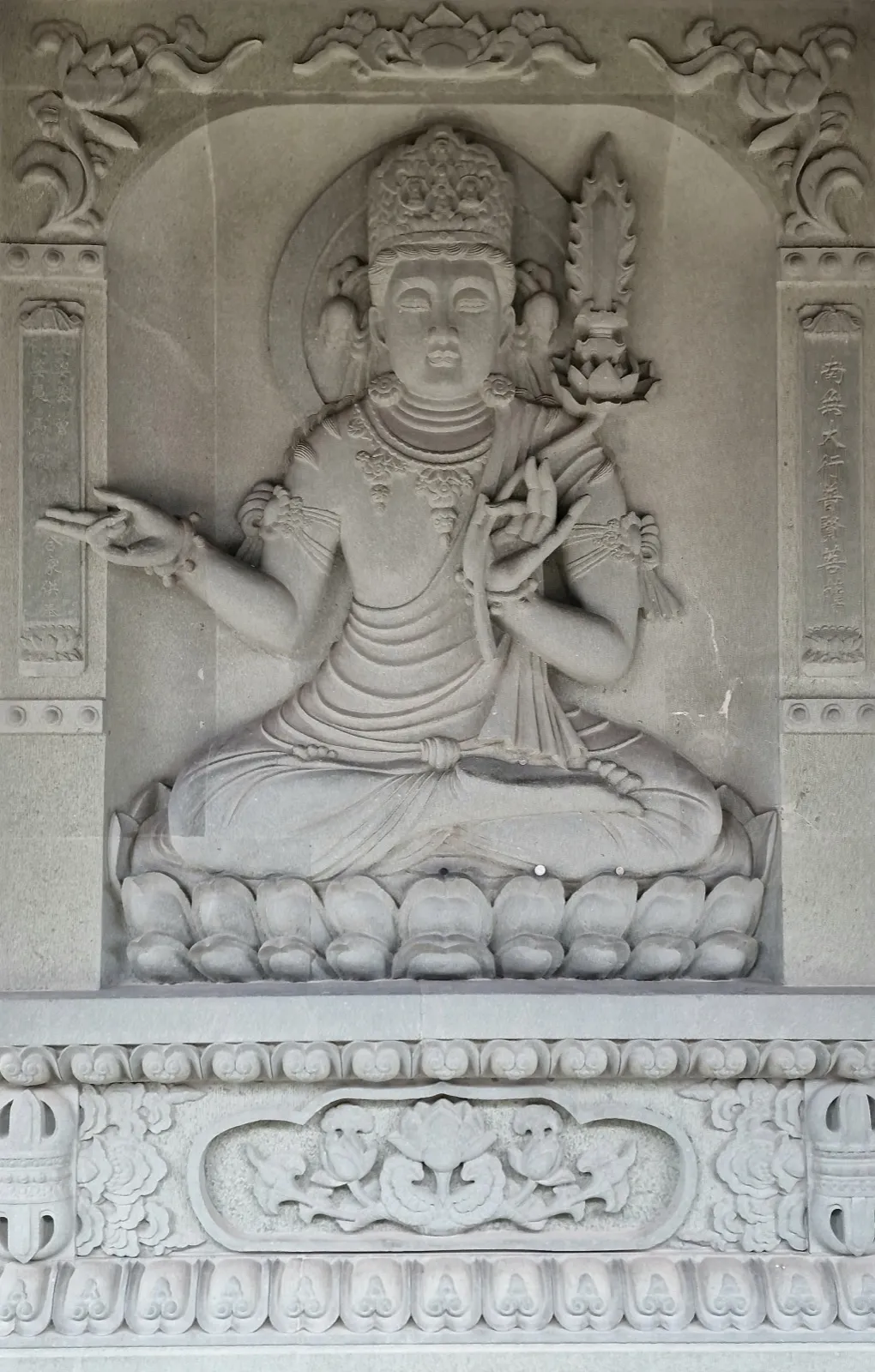
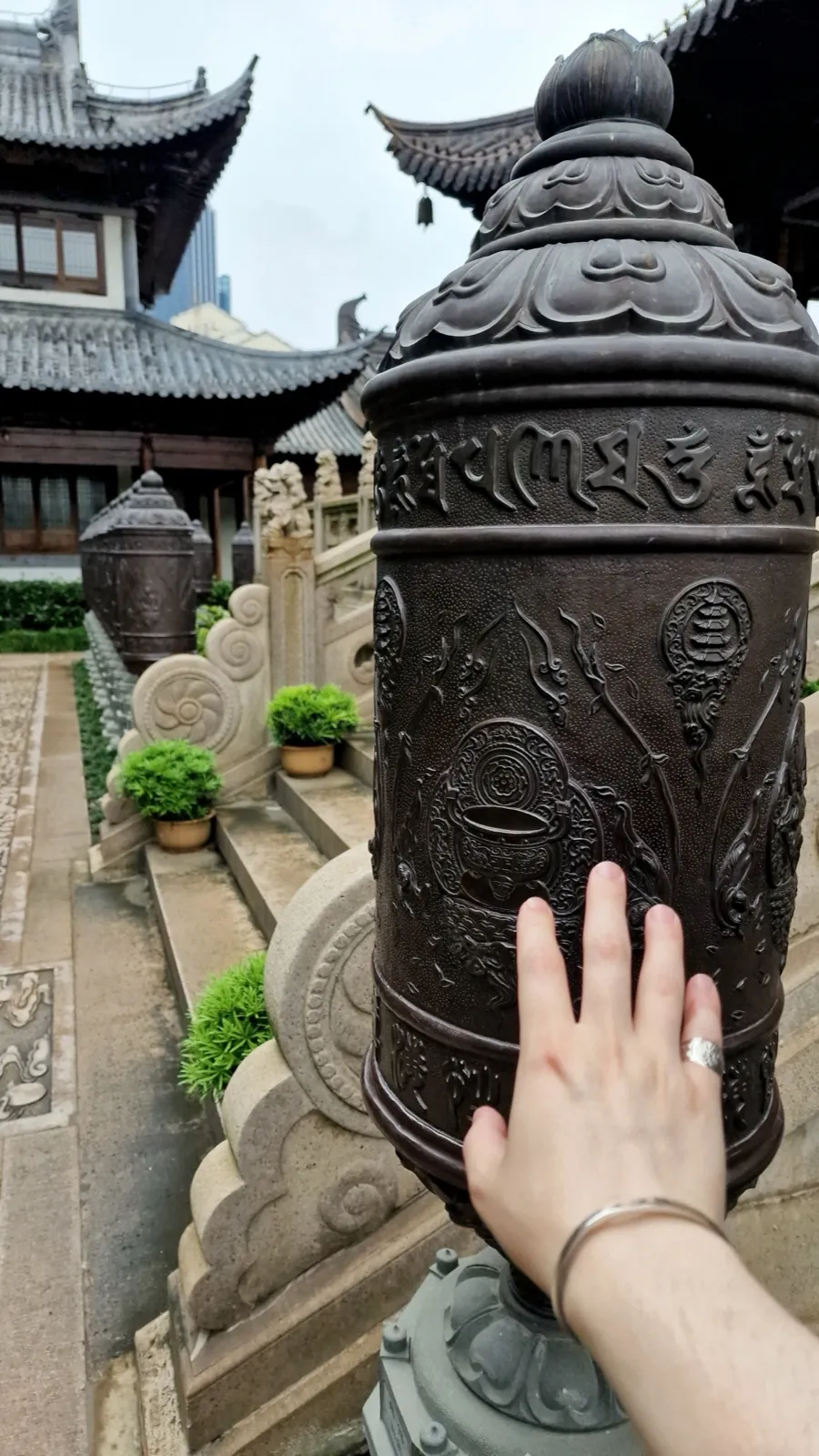
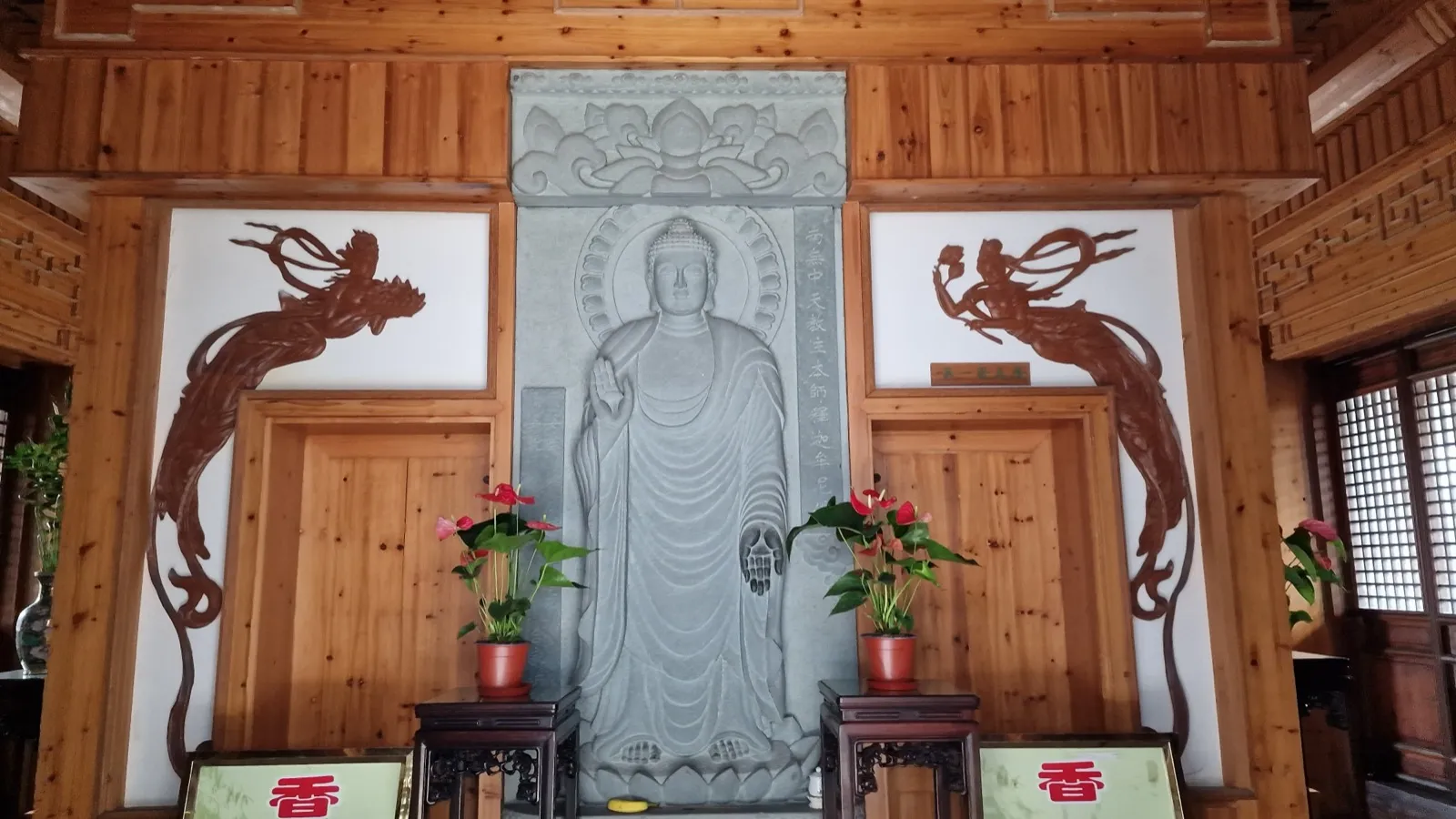
Jade Buddha Temple(玉佛禅寺 / Yùfó Chán Sì) in Shanghai.
Rebuilt in 1928.
This temple houses a most beautiful statue of the Jade Buddha, about 190 cm tall and weighing a whole tonne.
In this temple I was able to watch lay people study the sutras by copying them out.
Talking with Chinese lay Buddhists, I found out that here, for some reason, study often begins with very difficult sutras such as the Diamond Sutra, the Lotus Sutra or the Heart Sutra, although these texts need special explanation and are not intended for beginners.
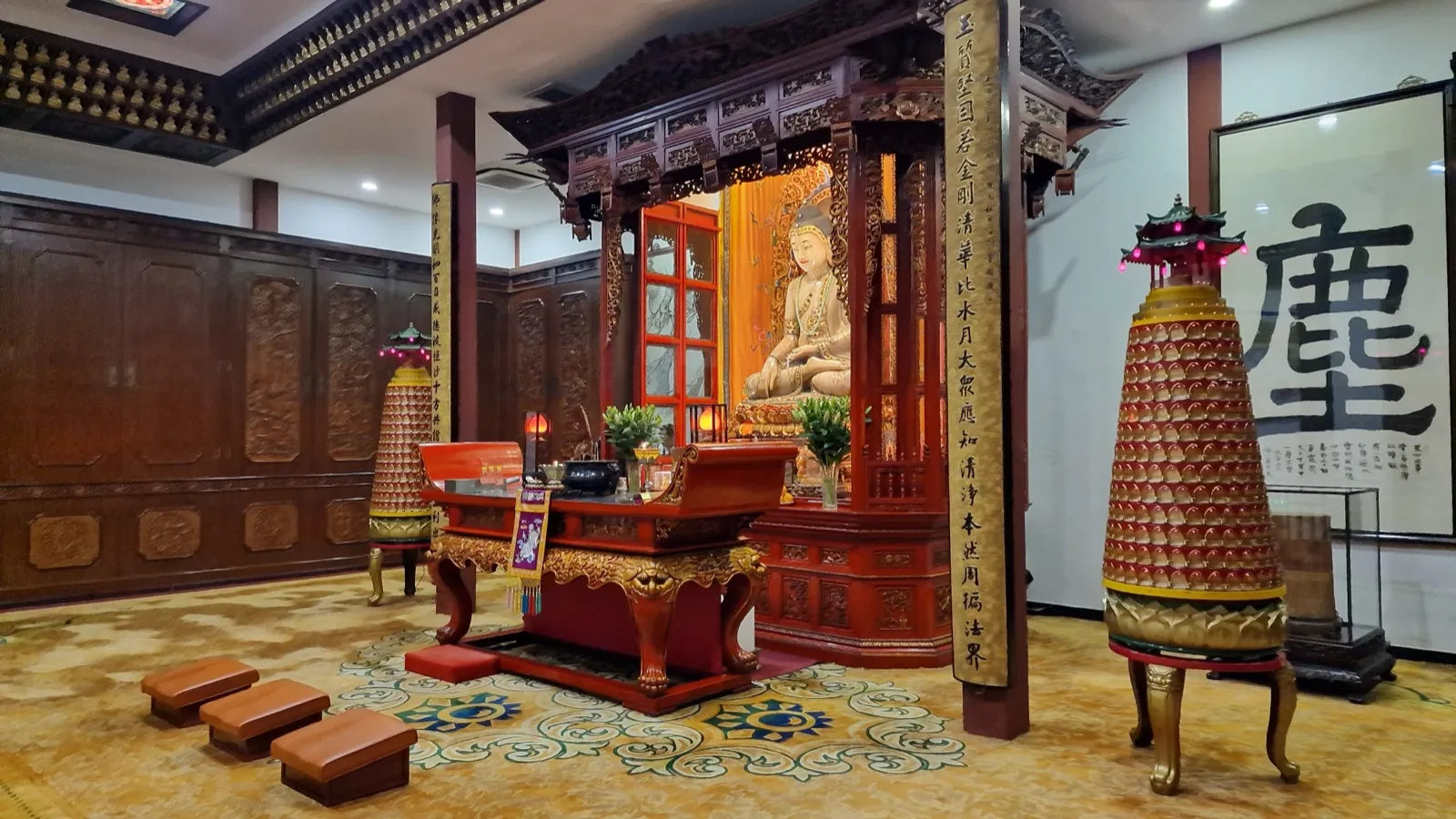
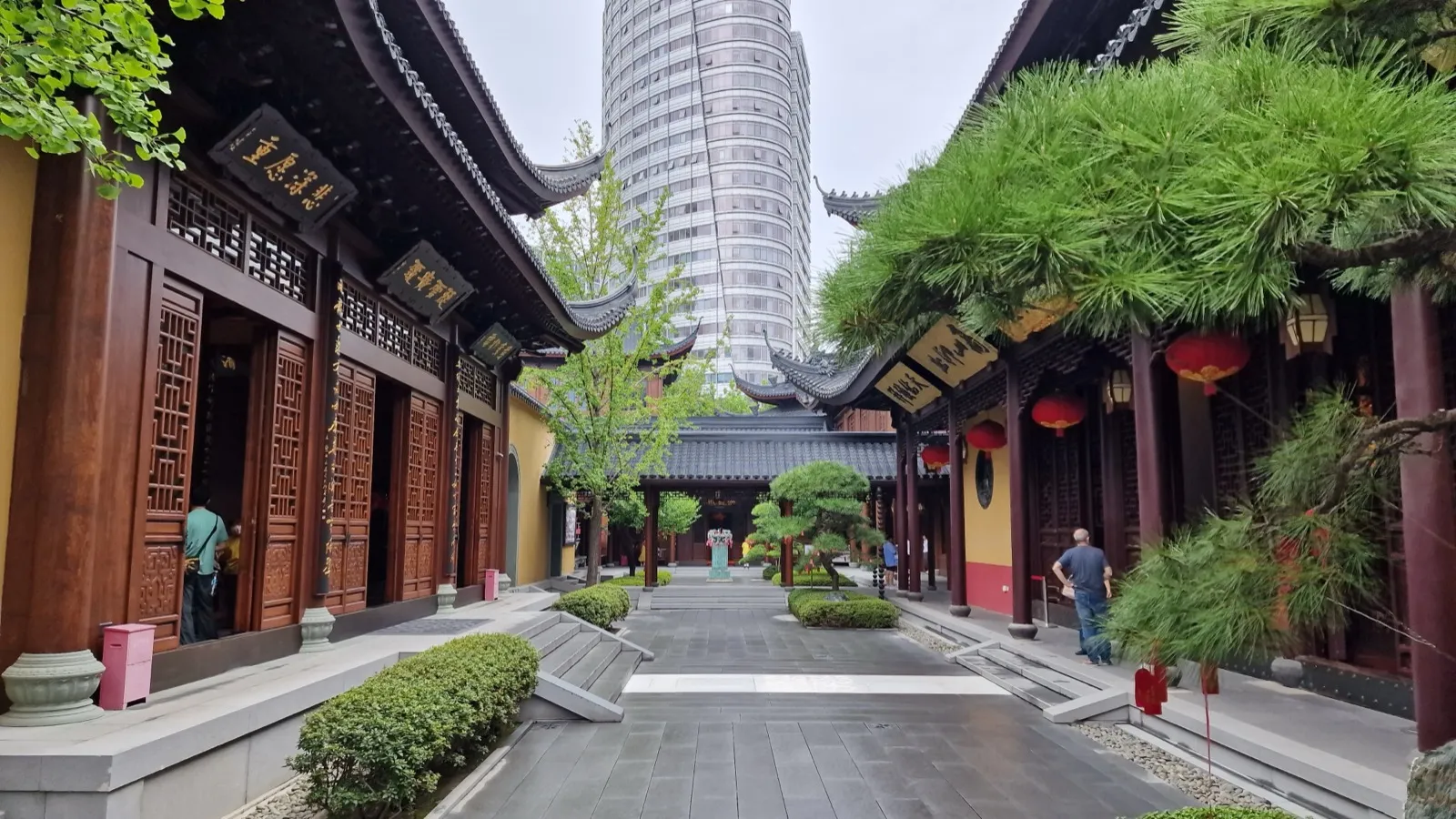
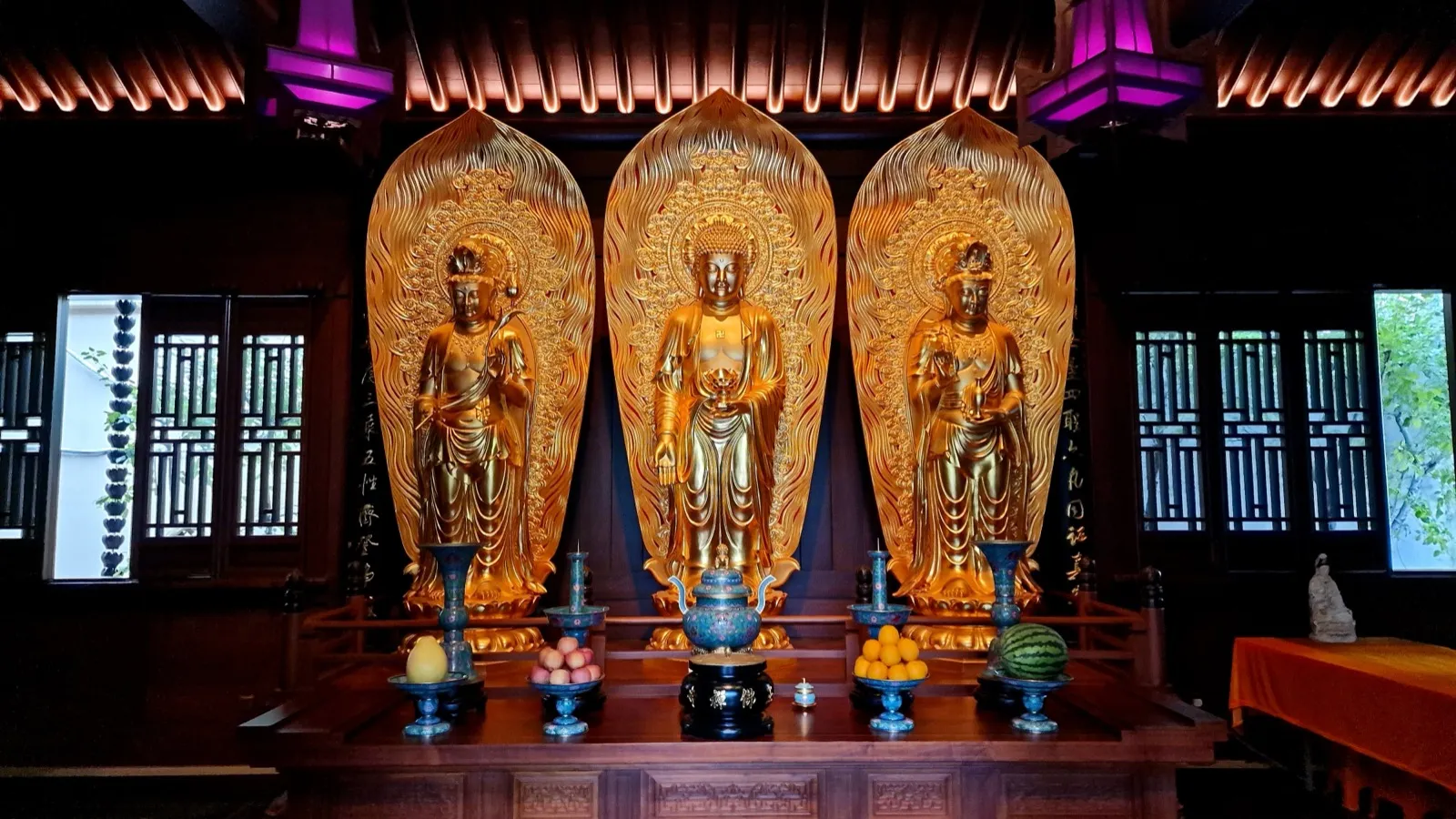
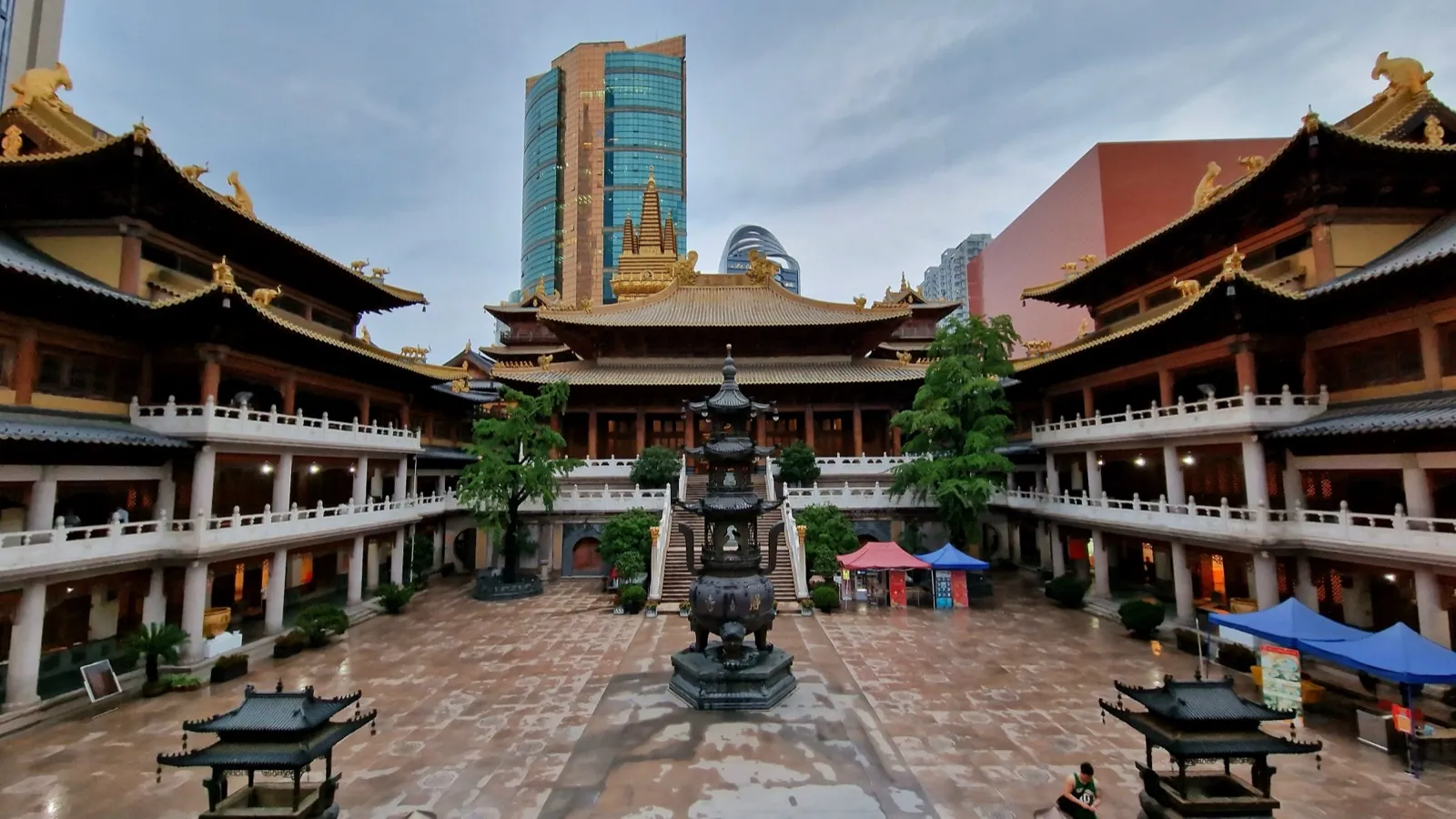
Temple of Peace and Tranquility(静安寺 / Jìng'ānsì) in Shanghai.
Founded in 247. It belongs to the Vajrayana tradition (Chinese Jin'gangsheng), that is, tantric or esoteric Buddhism.
In China it is called Zhenyan (True Word), Tángmì (Tang Dynasty Esoterica), Mìjiao (Esoteric Teaching) or Mìzōng (Esoteric Tradition).
Eso-teric means inner, as opposed to exo-teric, that is, outer. Tantric Buddhism did not come to China from Tibet: it arrived earlier and from different regions — from the West along the Silk Road and from the south, from northern India, along overland and sea trade routes.
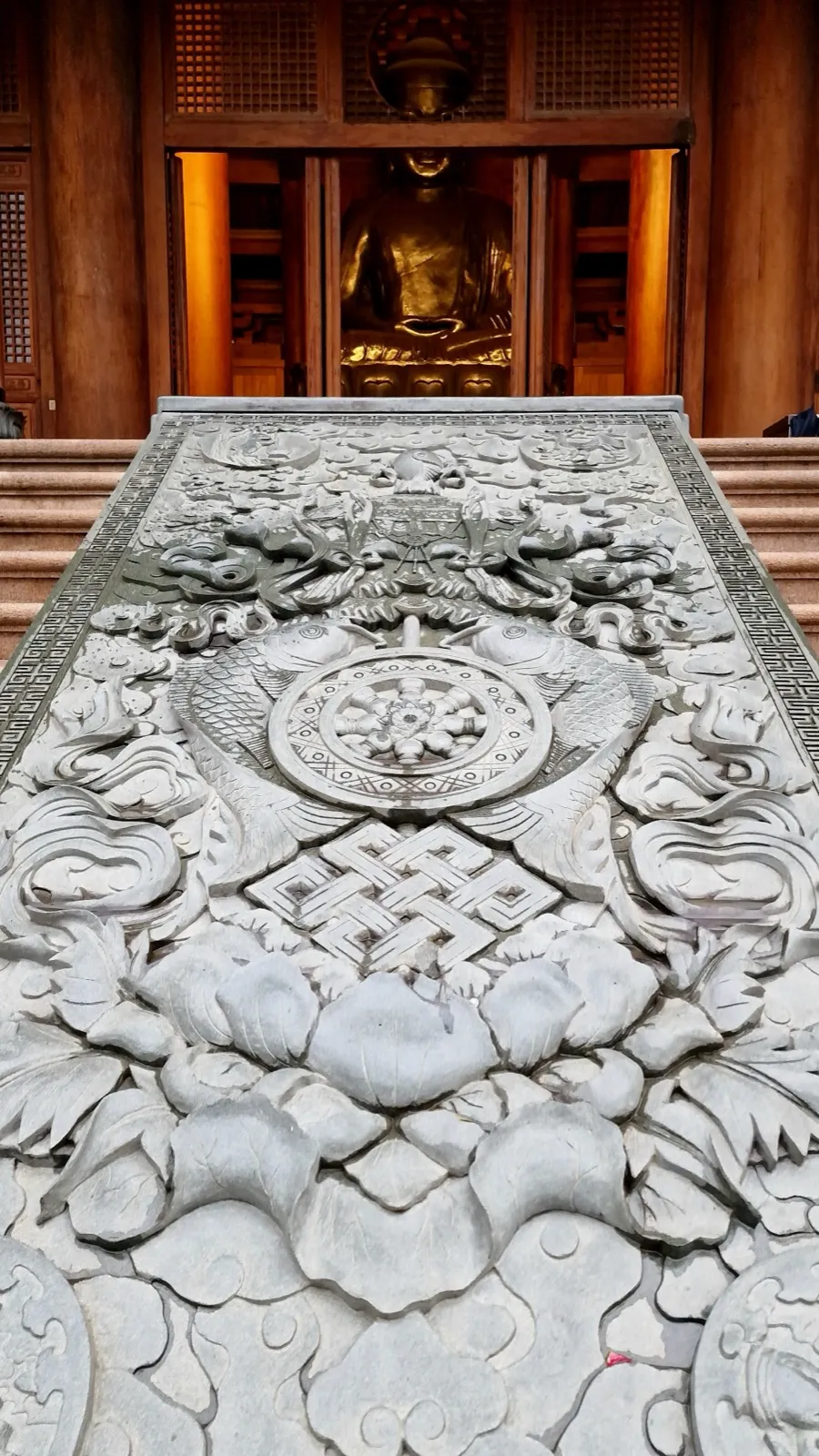
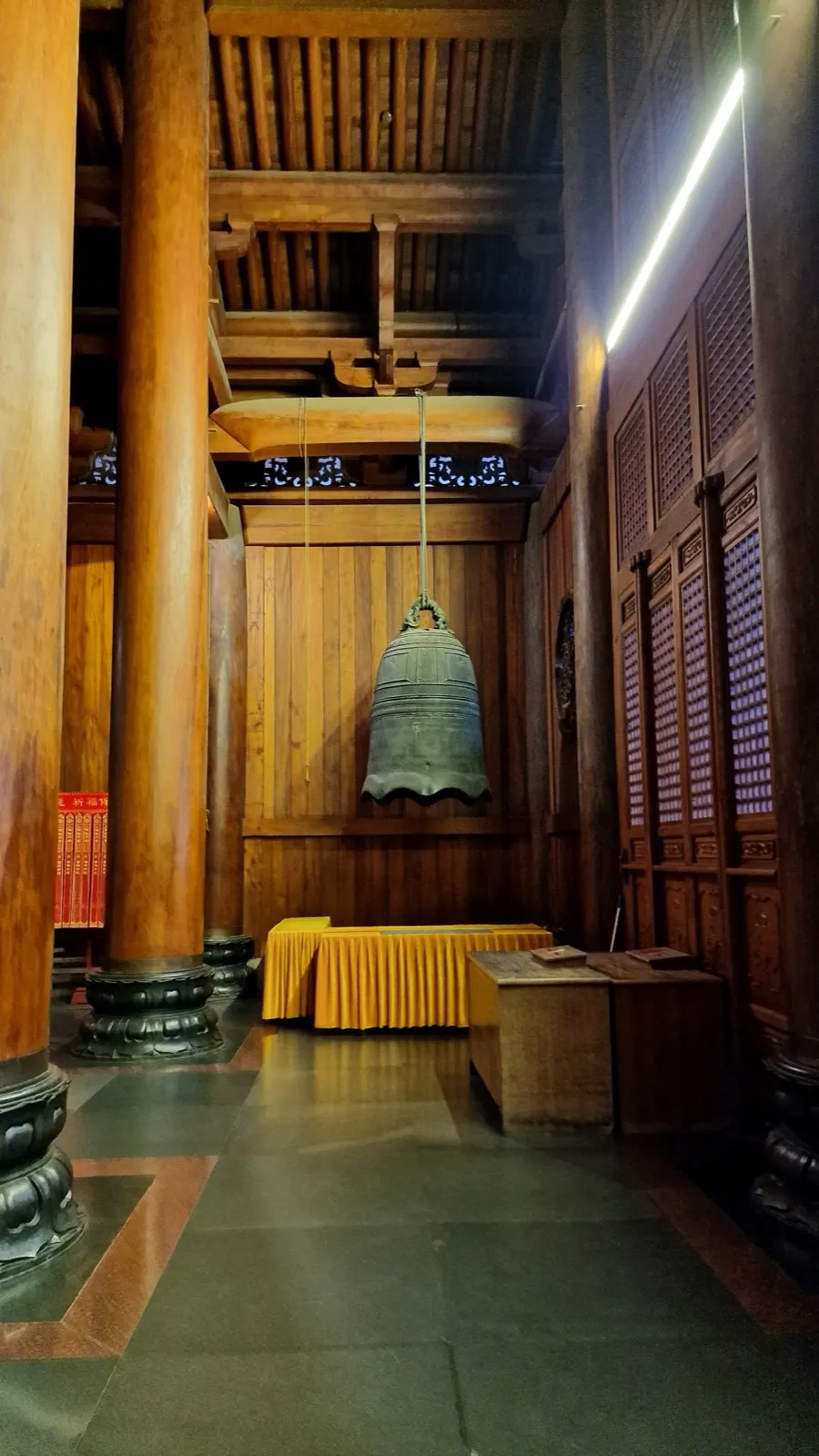
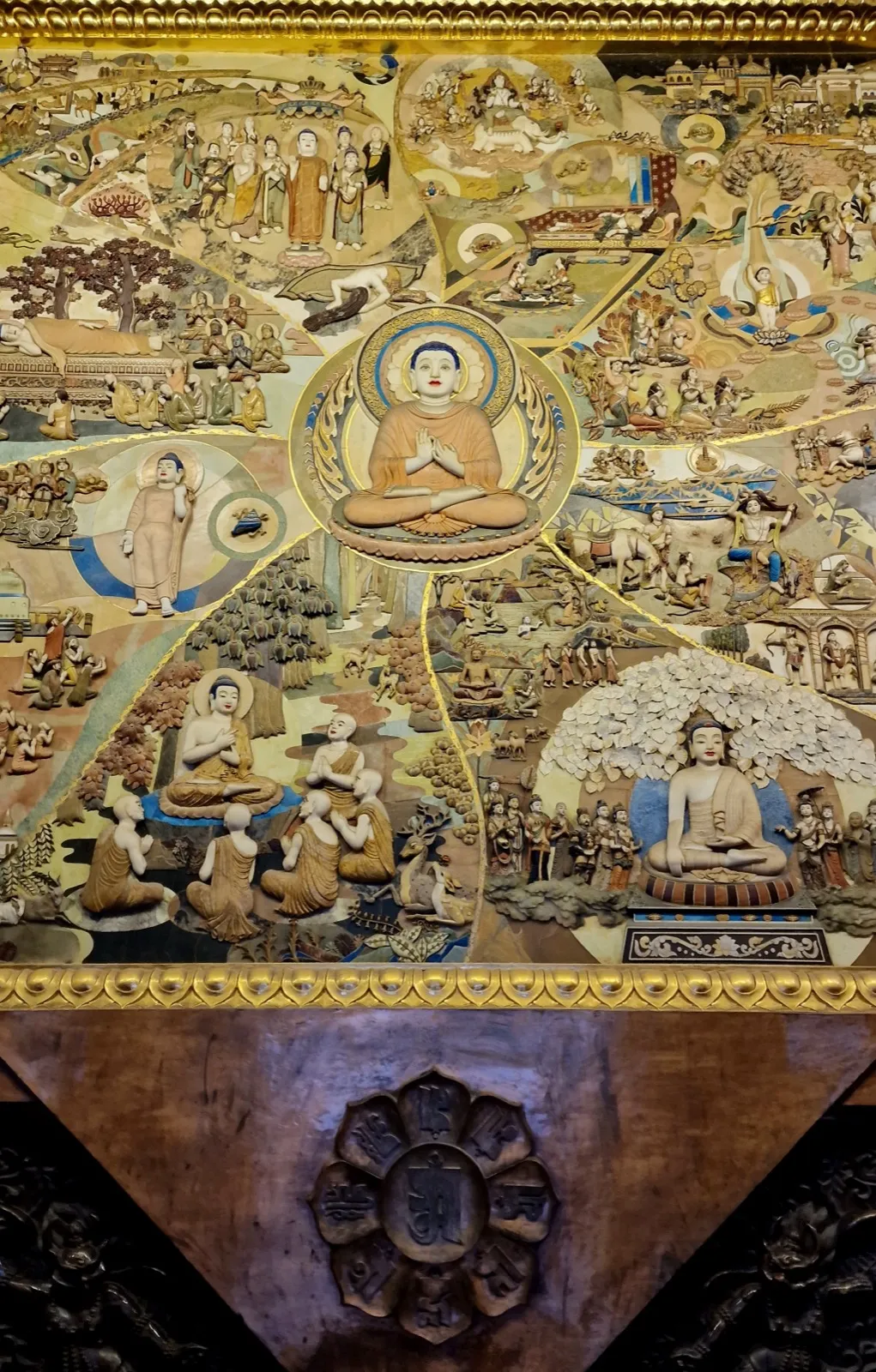
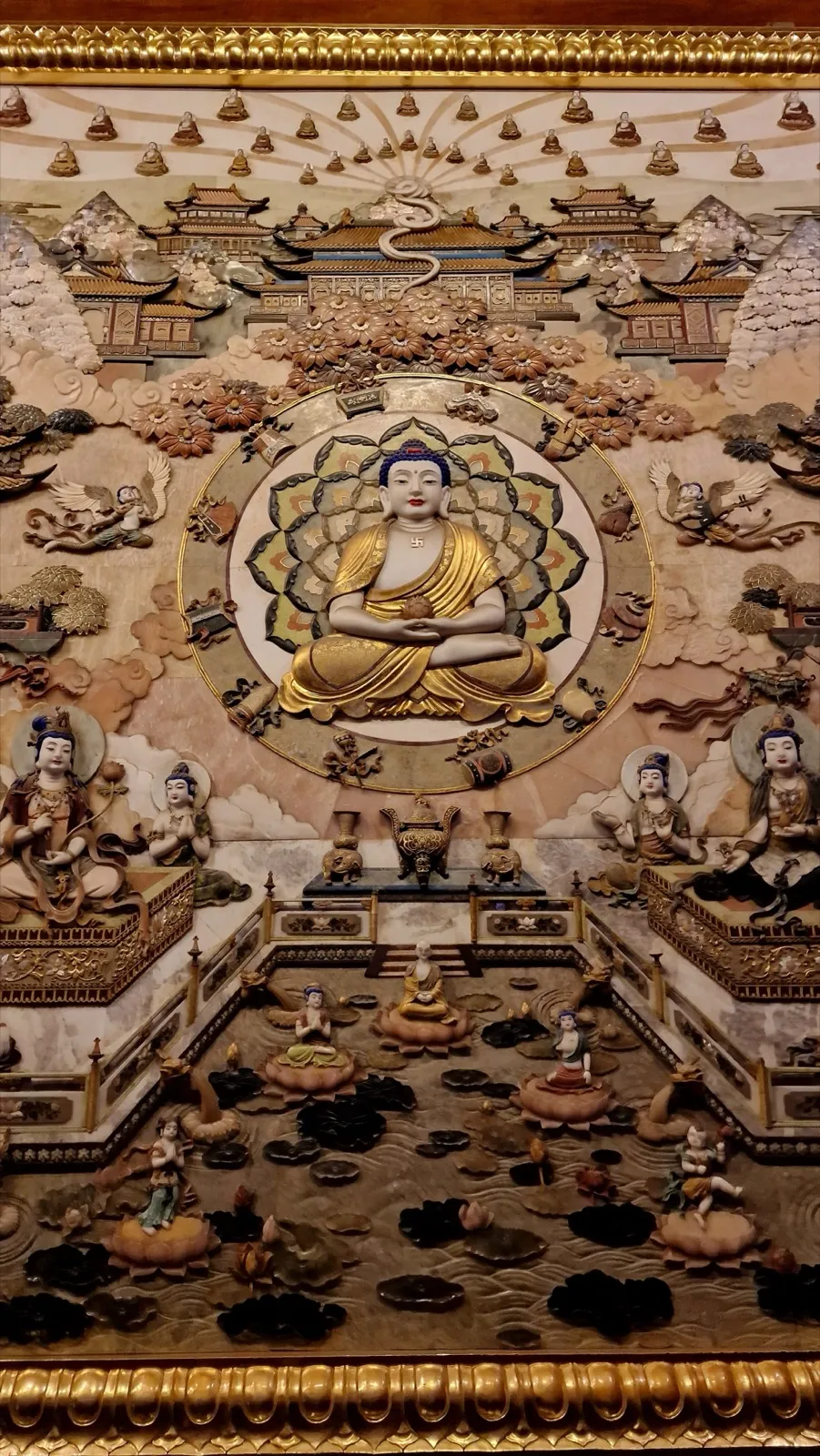
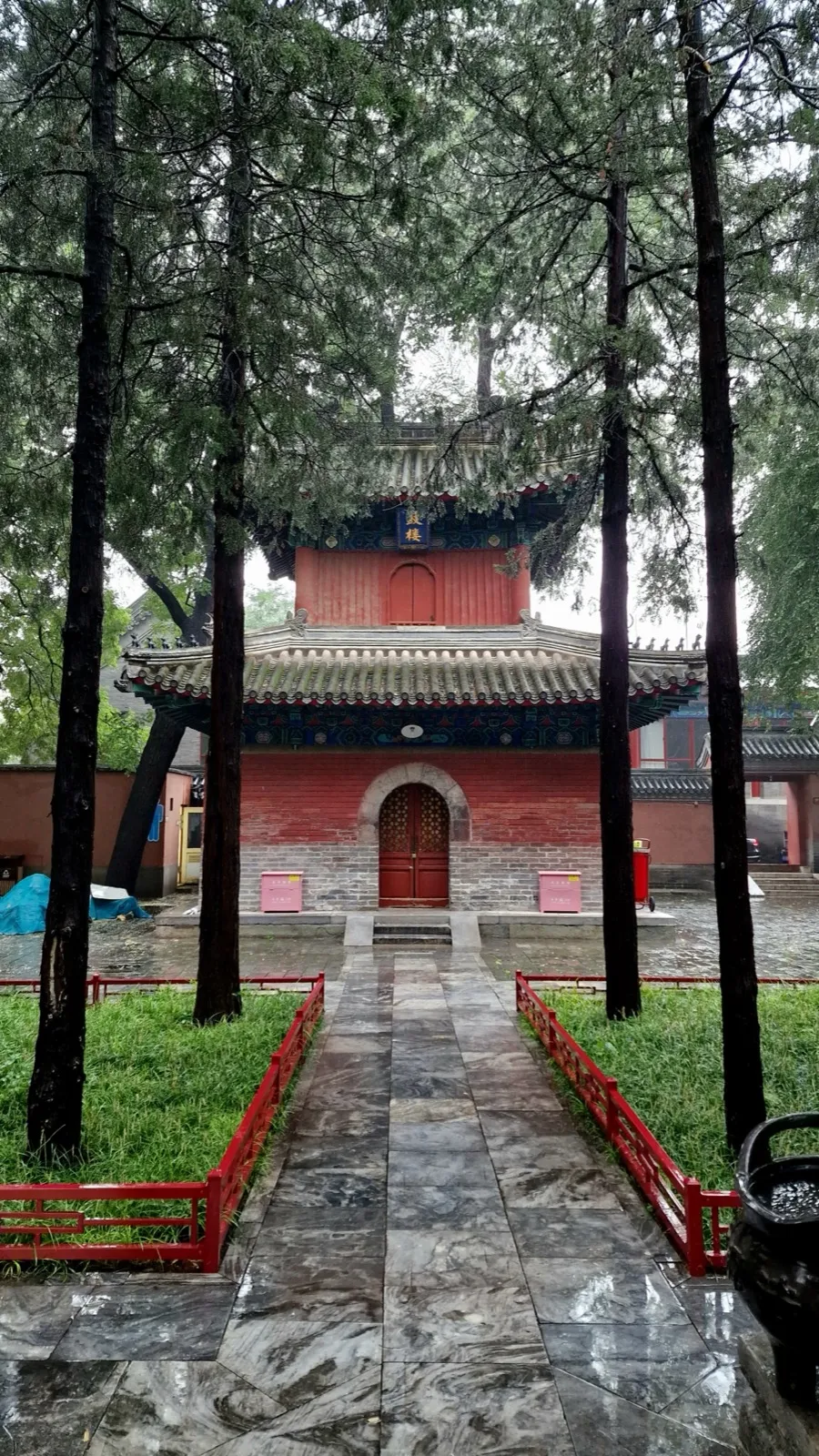
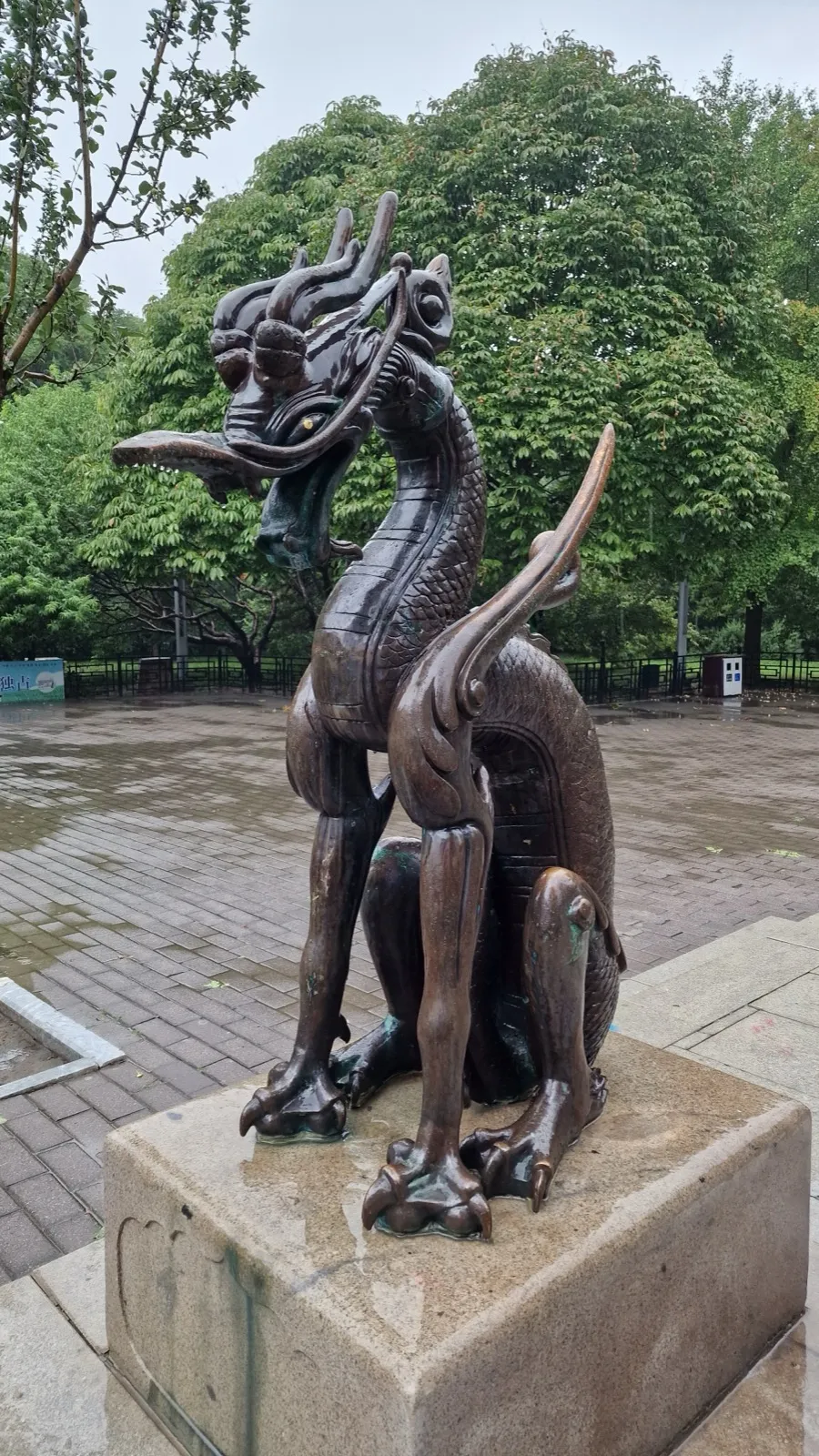
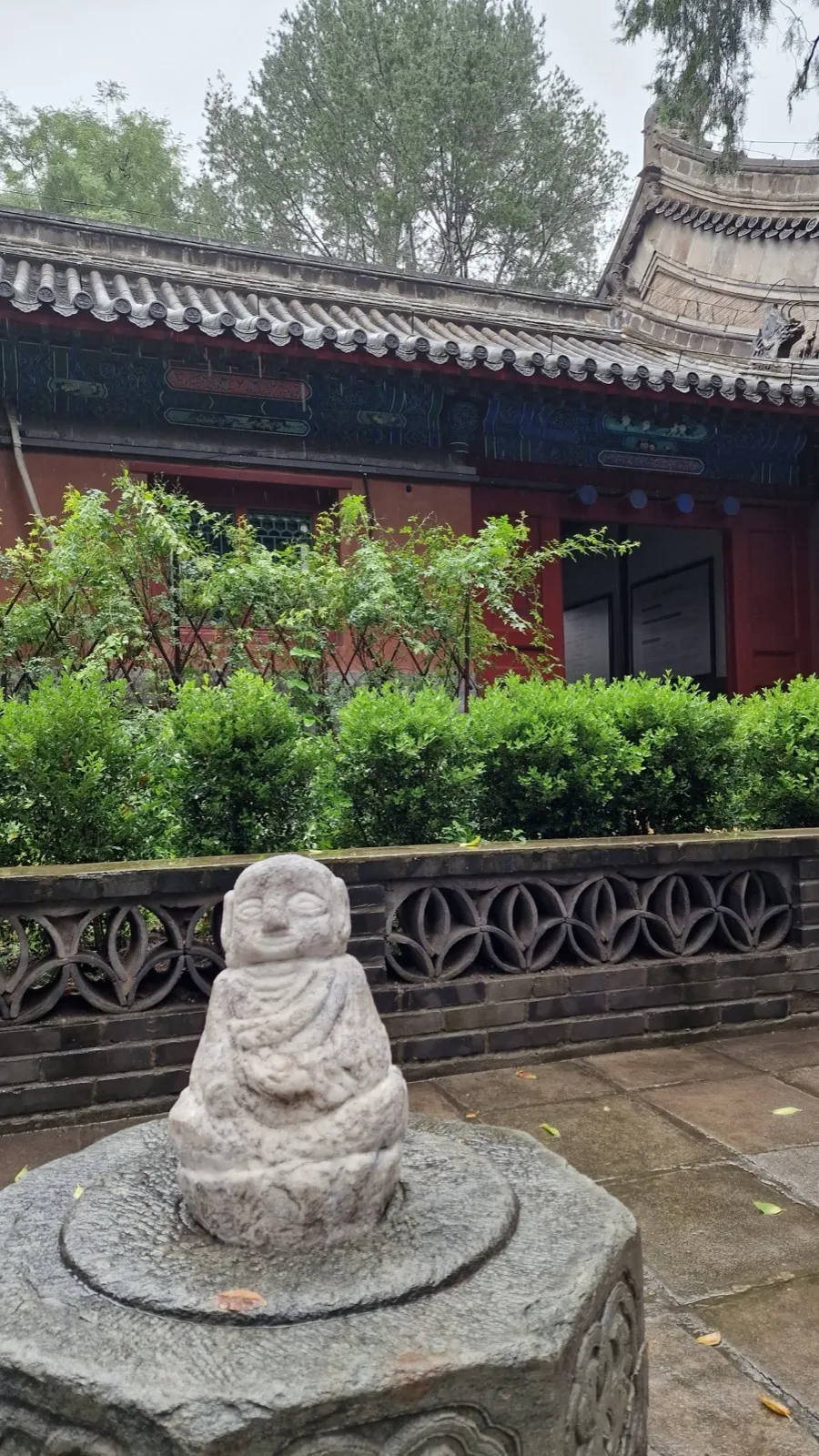
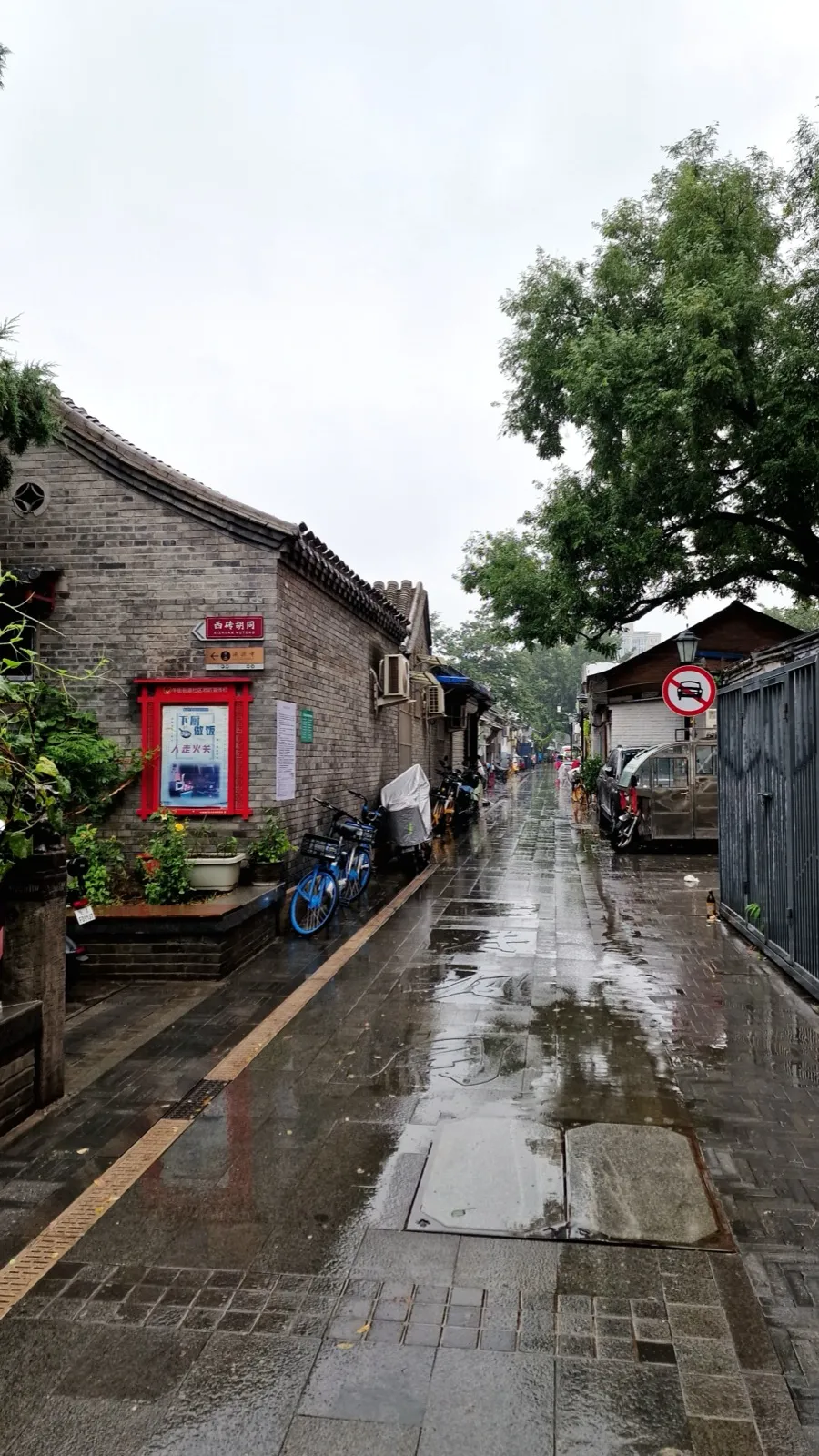
Temple of the Origin of the Dharma(法源寺 / Fǎyuán Sì) in Beijing
Built in 645. Today it houses the Buddhist Academy of China. You can see classrooms, beds where the students sleep and halls for meditation.
The temple has a Buddhist museum of books and relics.
It keeps extremely rare printed editions of sutras in Chinese, Sanskrit and other languages.
The temple hosts an annual poetic “Lilac Festival”.
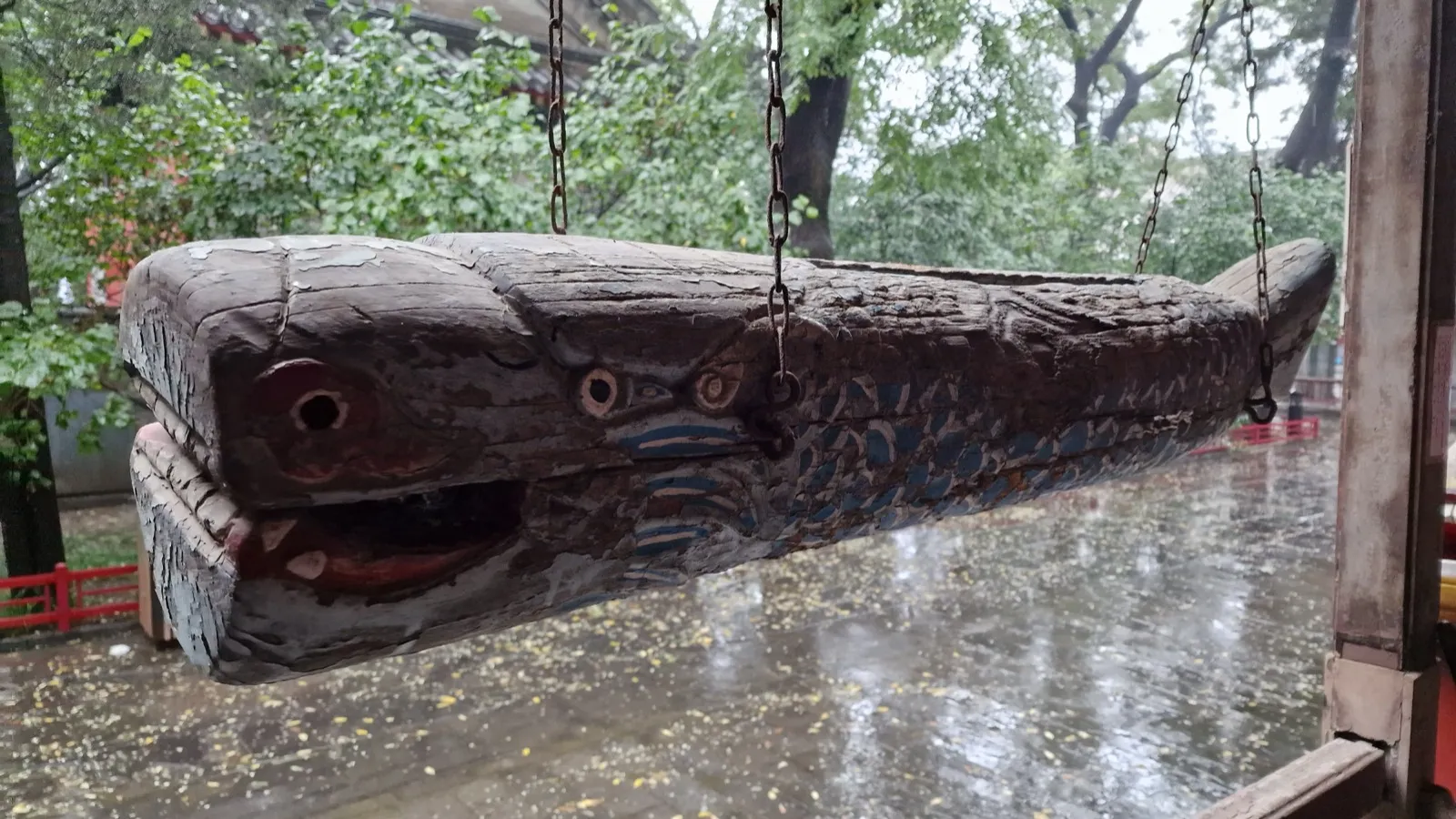
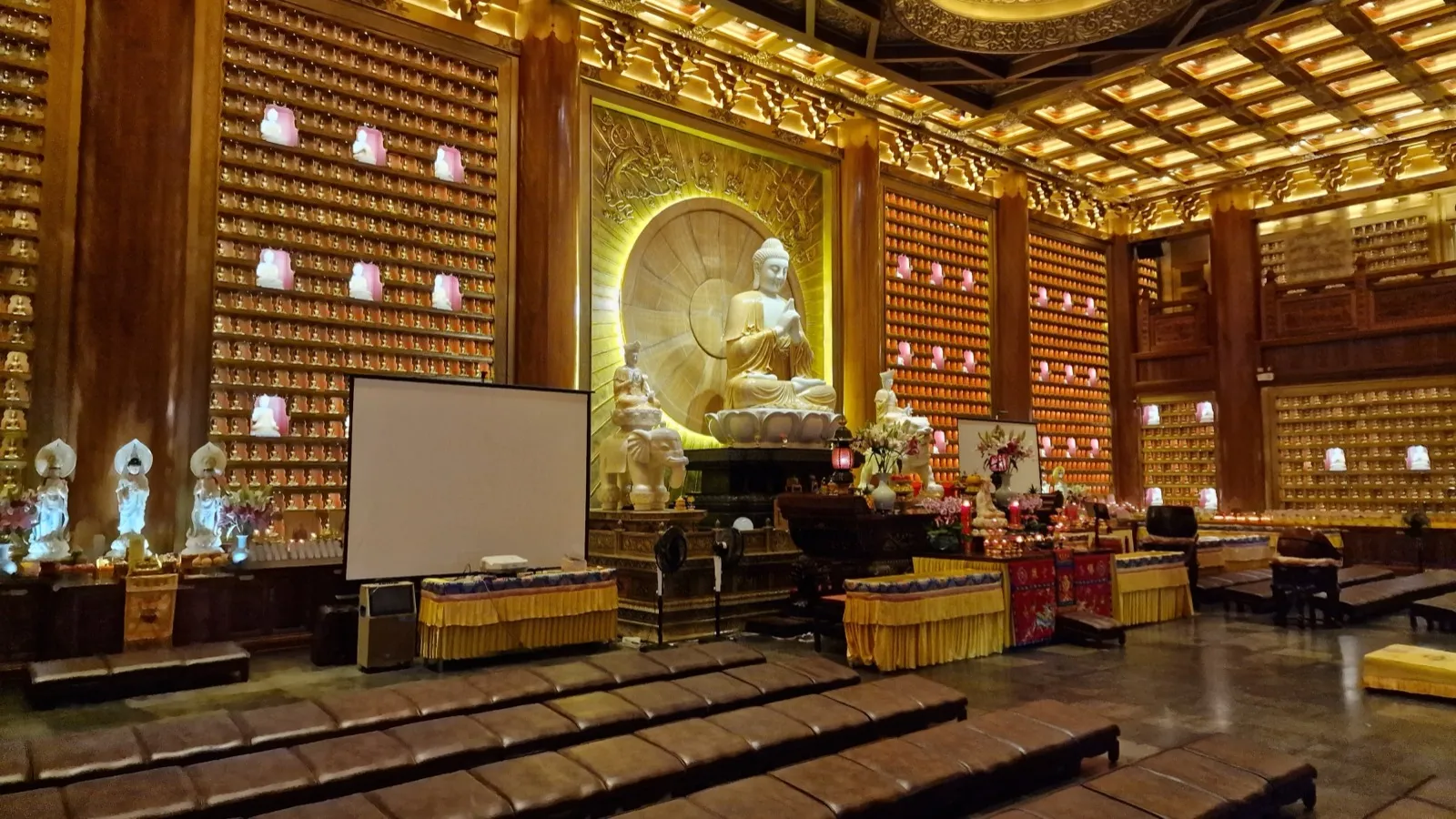
Ancient Temple of the Great Buddha(大佛古寺 / Dàfó Gǔ Sì) in Guangzhou.
Founded in 917.
The columns of the hall are made from huge trunks of nanmu (a precious wood)
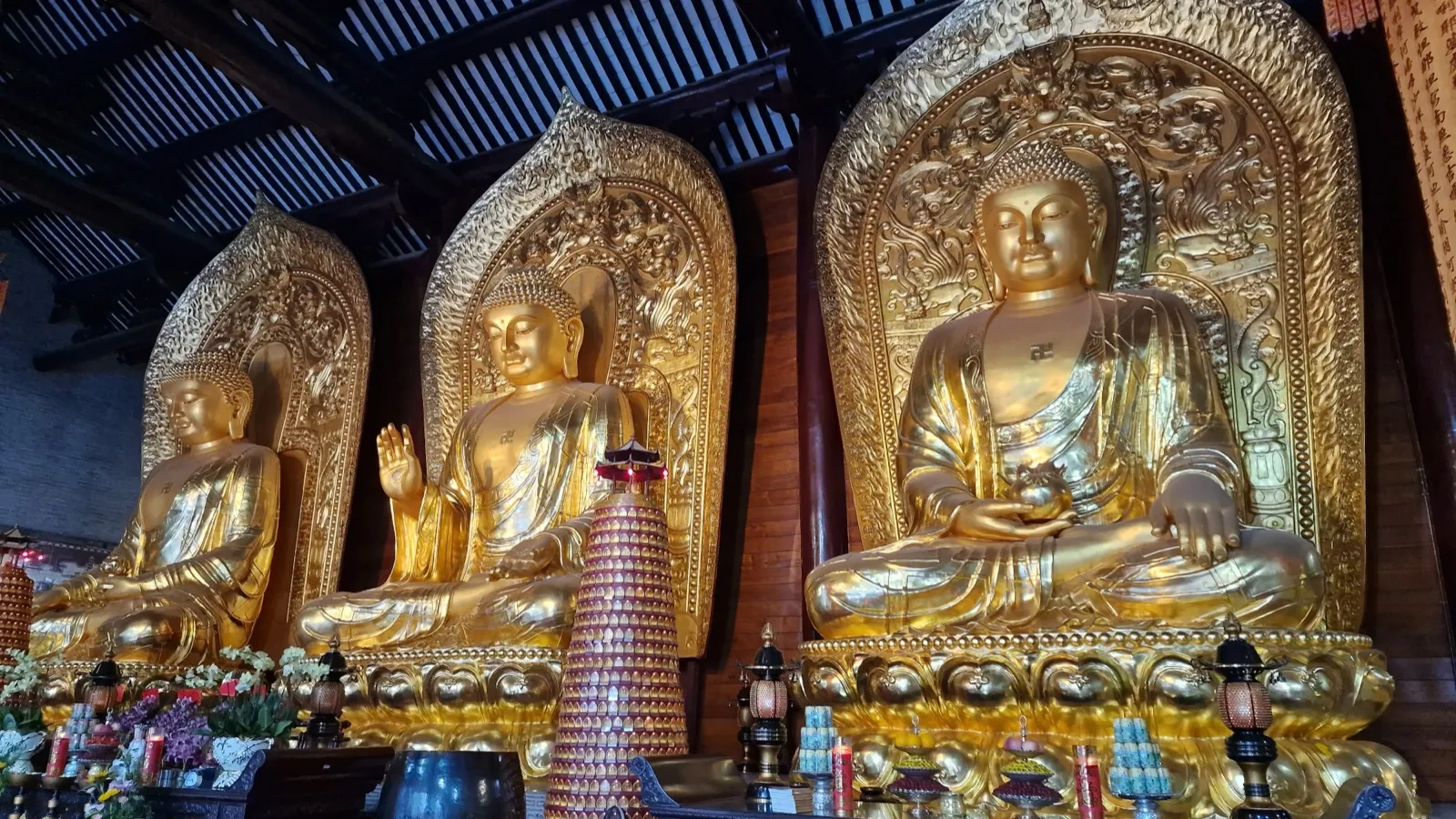
In the centre of the hall stands a huge gilded statue of Buddha Shakyamuni. Behind it is a golden circle «背光» (bèiguāng), that is, a halo.
Along the walls of the hall are multi-tiered niches holding thousands of small gilded statuettes
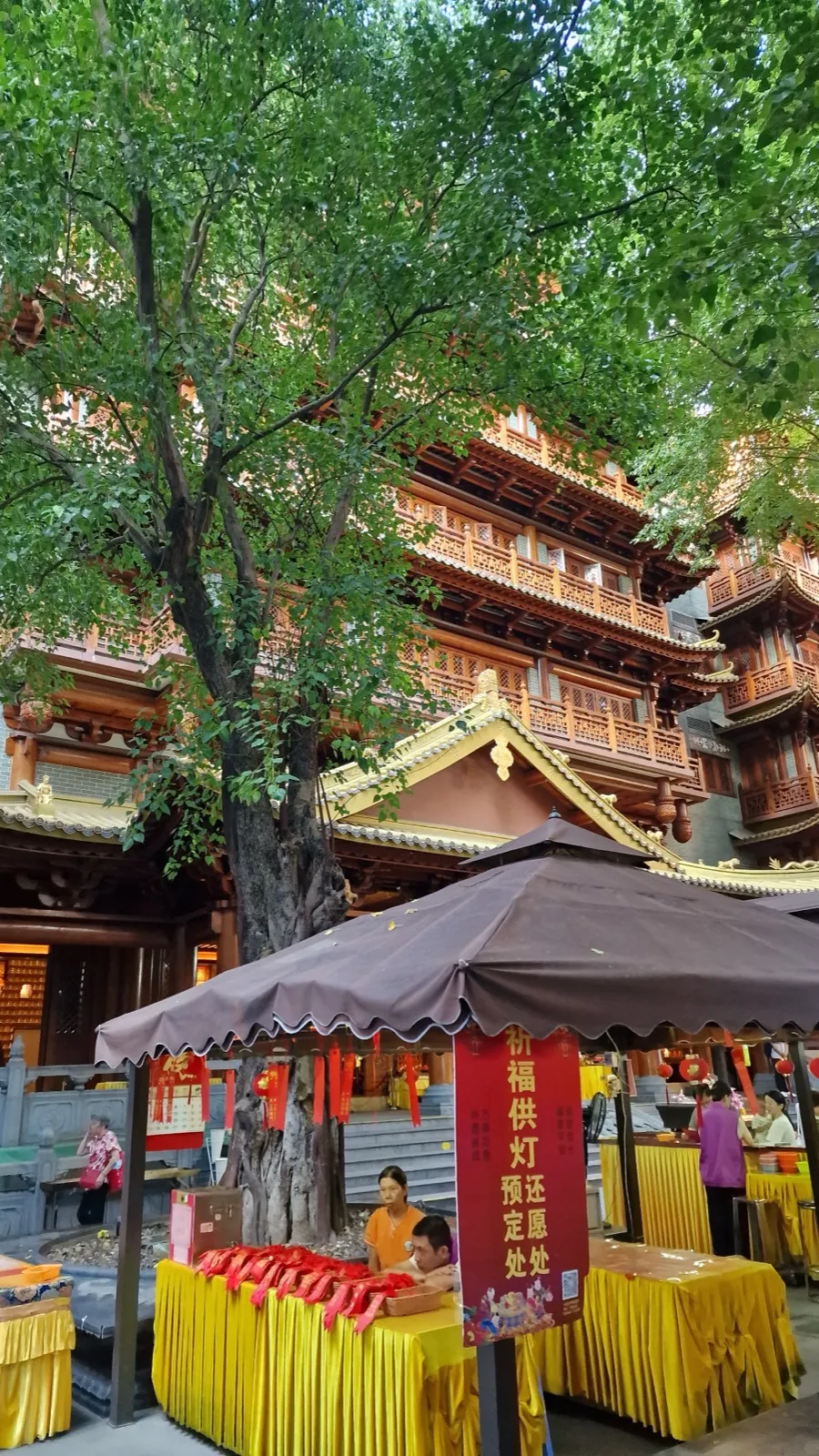
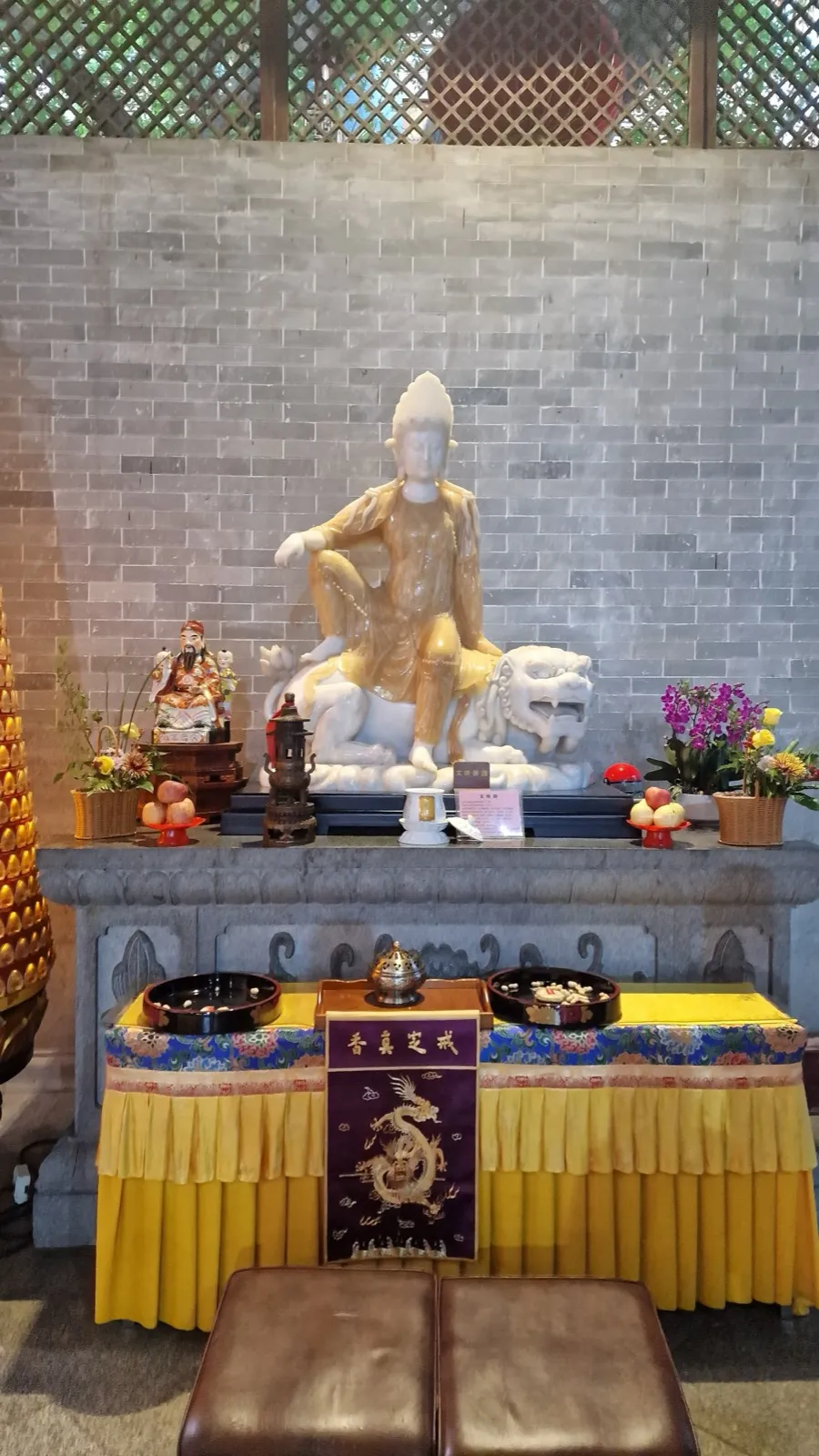
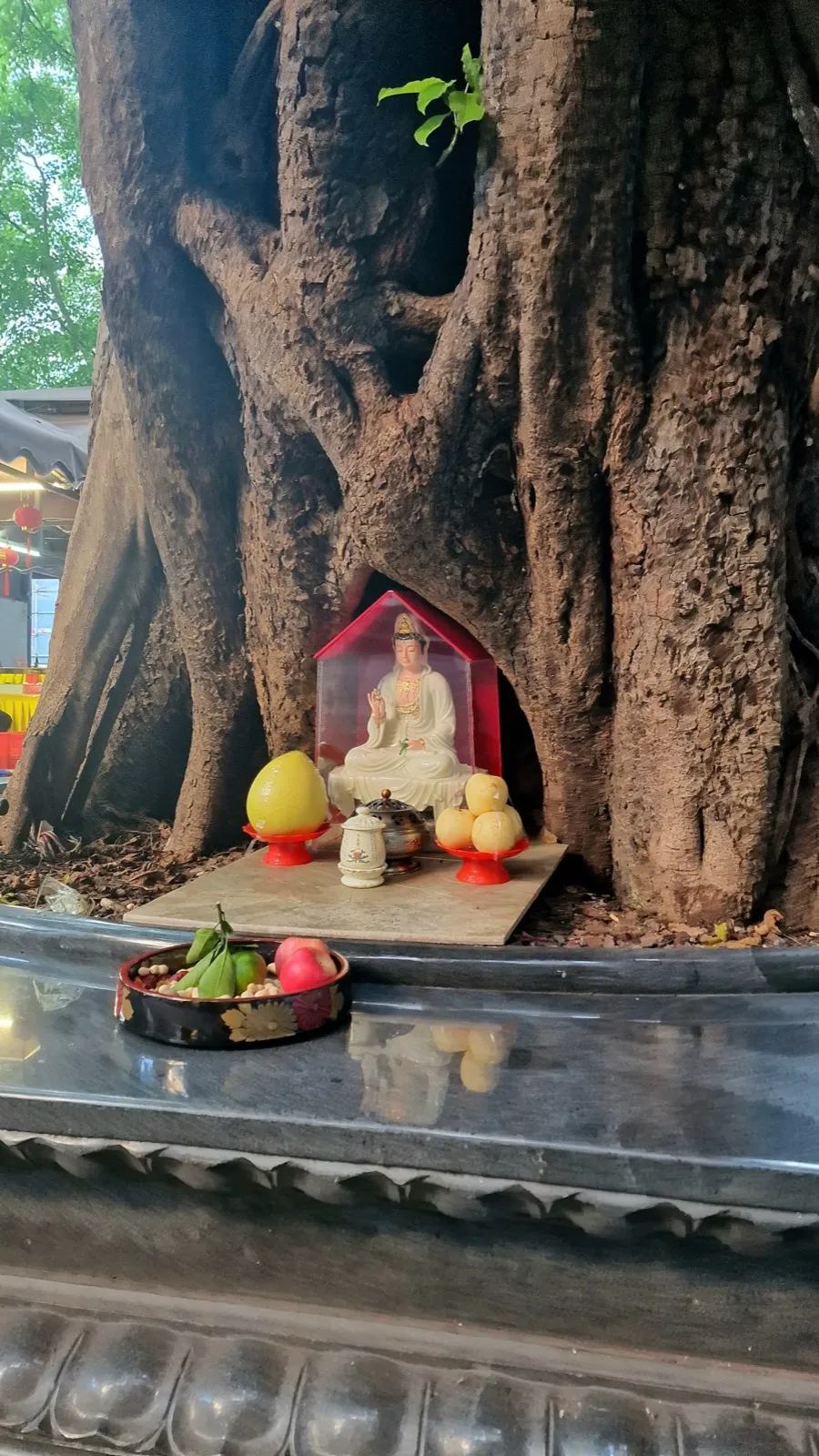
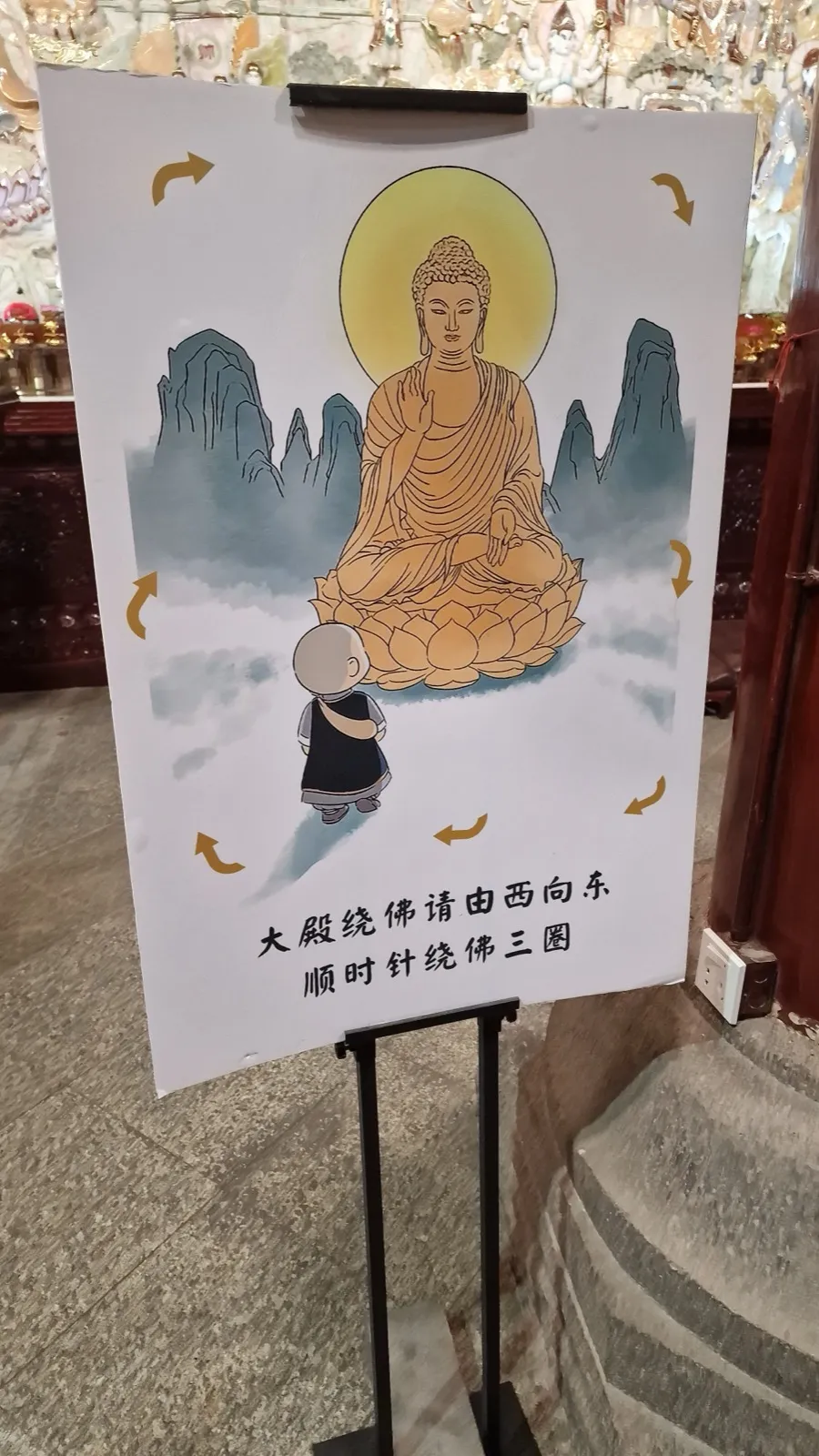
Here we can see a diagram of how to walk around statues — clockwise.
It is a very ancient expression of respect, rooted in Proto-Indo-European times and possibly connected with the veneration of the sun.
It is also mentioned in the sutras, when after a conversation with the Buddha people left “keeping him on their right”.
When the wheel of Dharma turns, it turns from left to right.
And it is no accident that our clock hands move in the same direction.
The Indo-Europeans carried this tradition through many millennia.
In general, though, nobody bothers anyone with rules or anything else. People choose for themselves, in a civilised way, what to do or not to do, and that is fine.
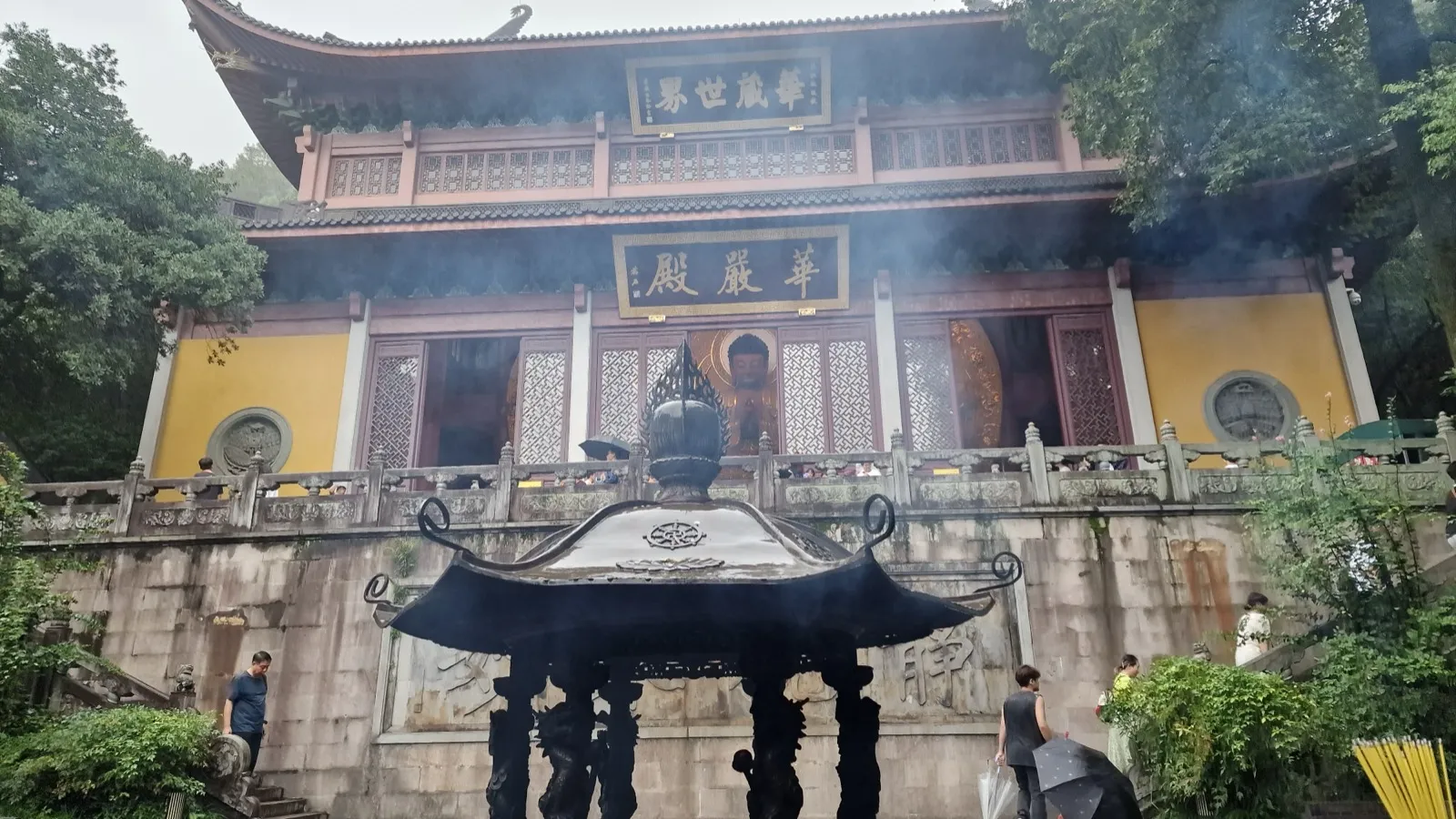
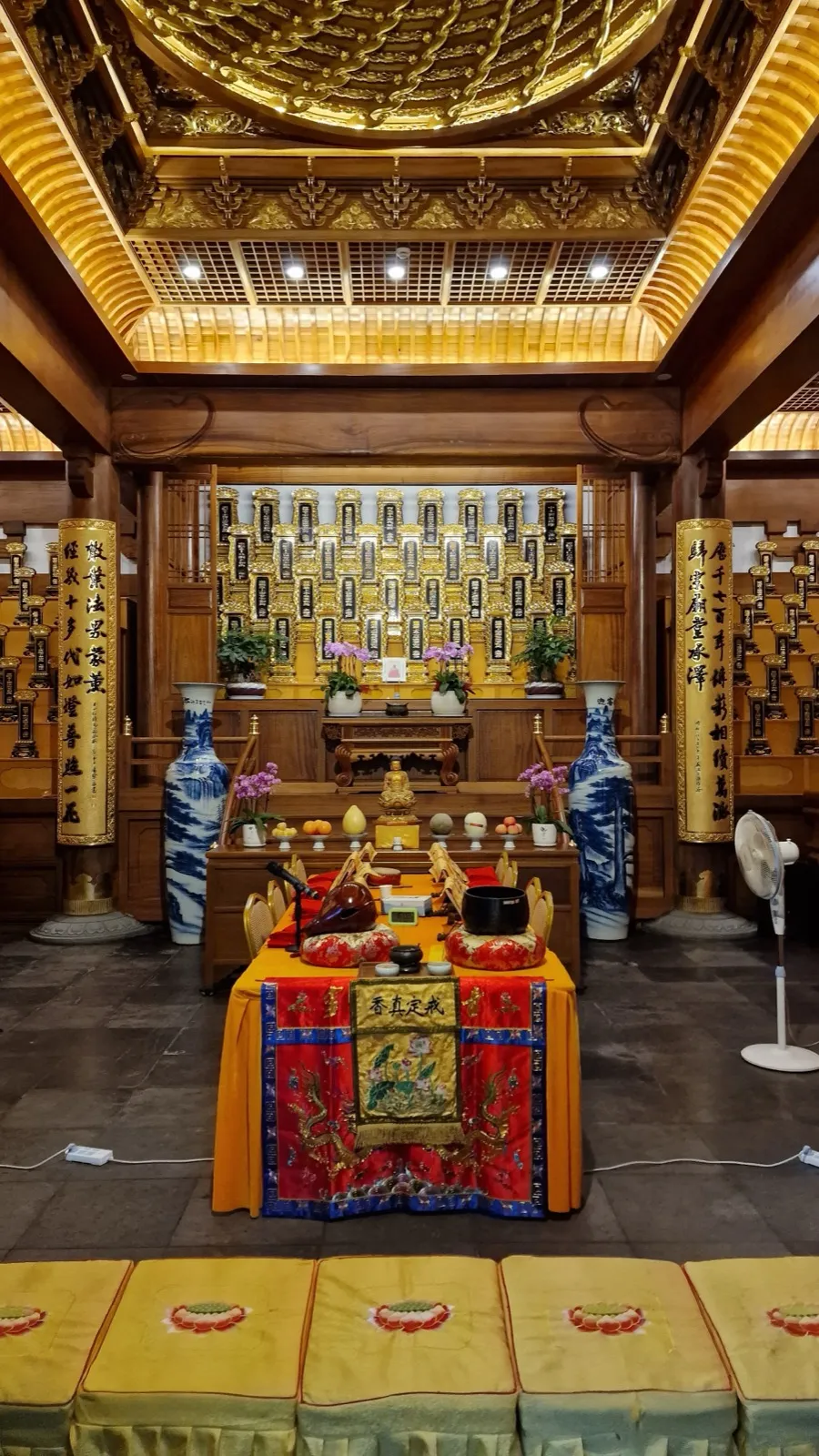
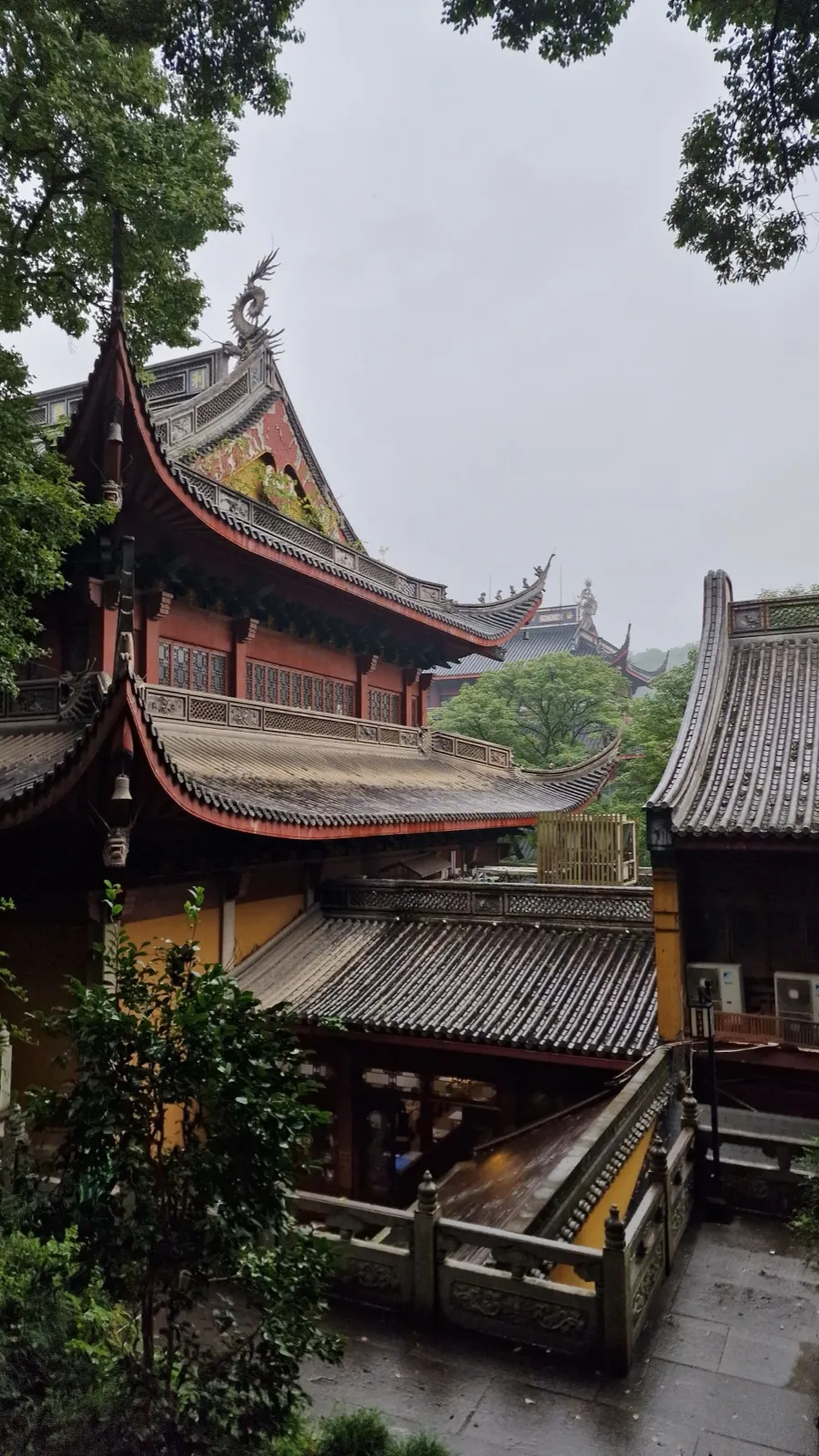
Temple of the Soul's Retreat(靈隱寺 / Língyǐn Sì) in Hangzhou
It is one of the ten great Chan monasteries of the country, founded in 326.
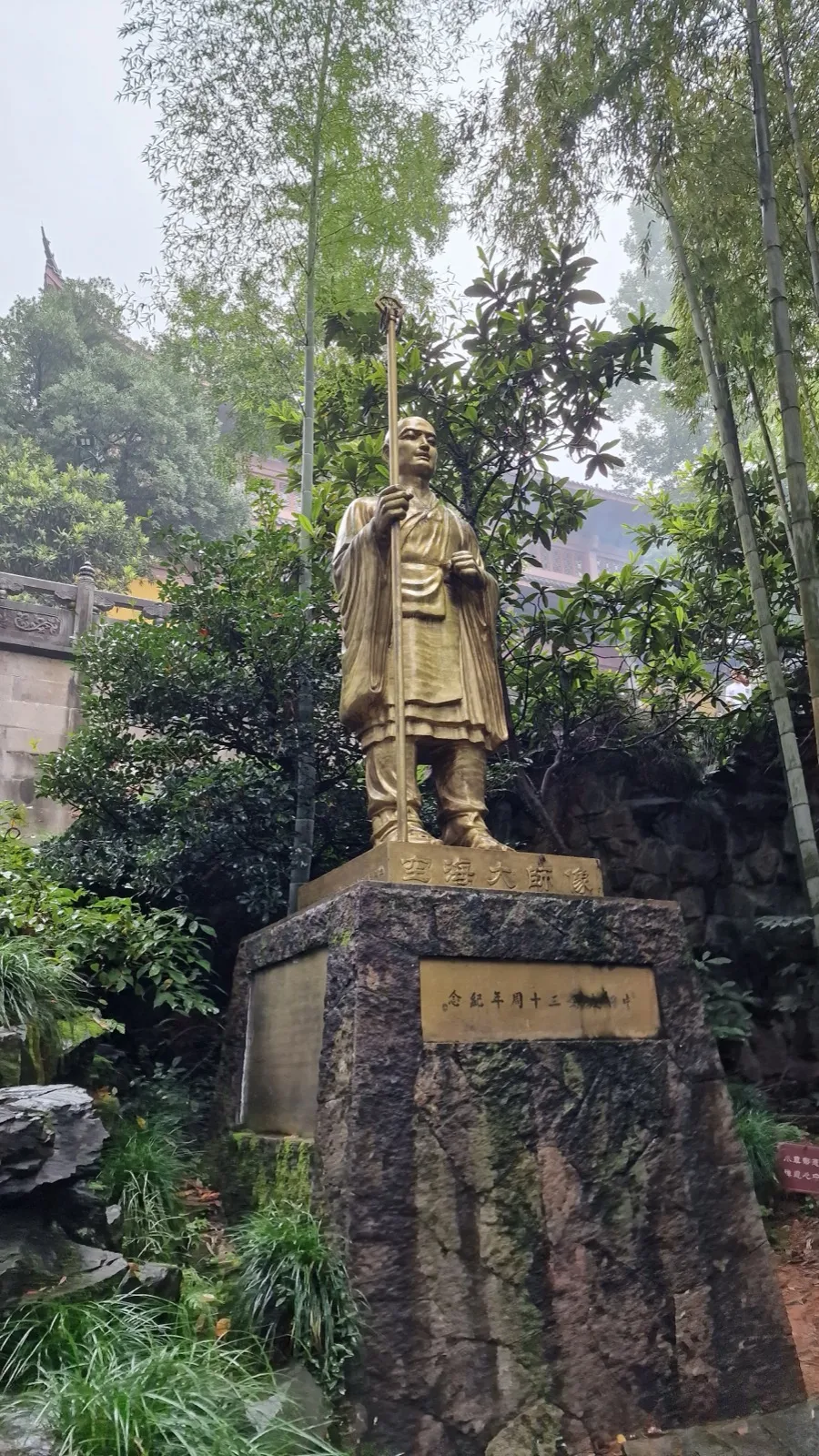
The photo shows a statue of the Japanese monk Kūkai, who brought the lineage of Chinese tantra to Japan and founded the Buddhist tantric school of Shingon (“School of the True Word”)
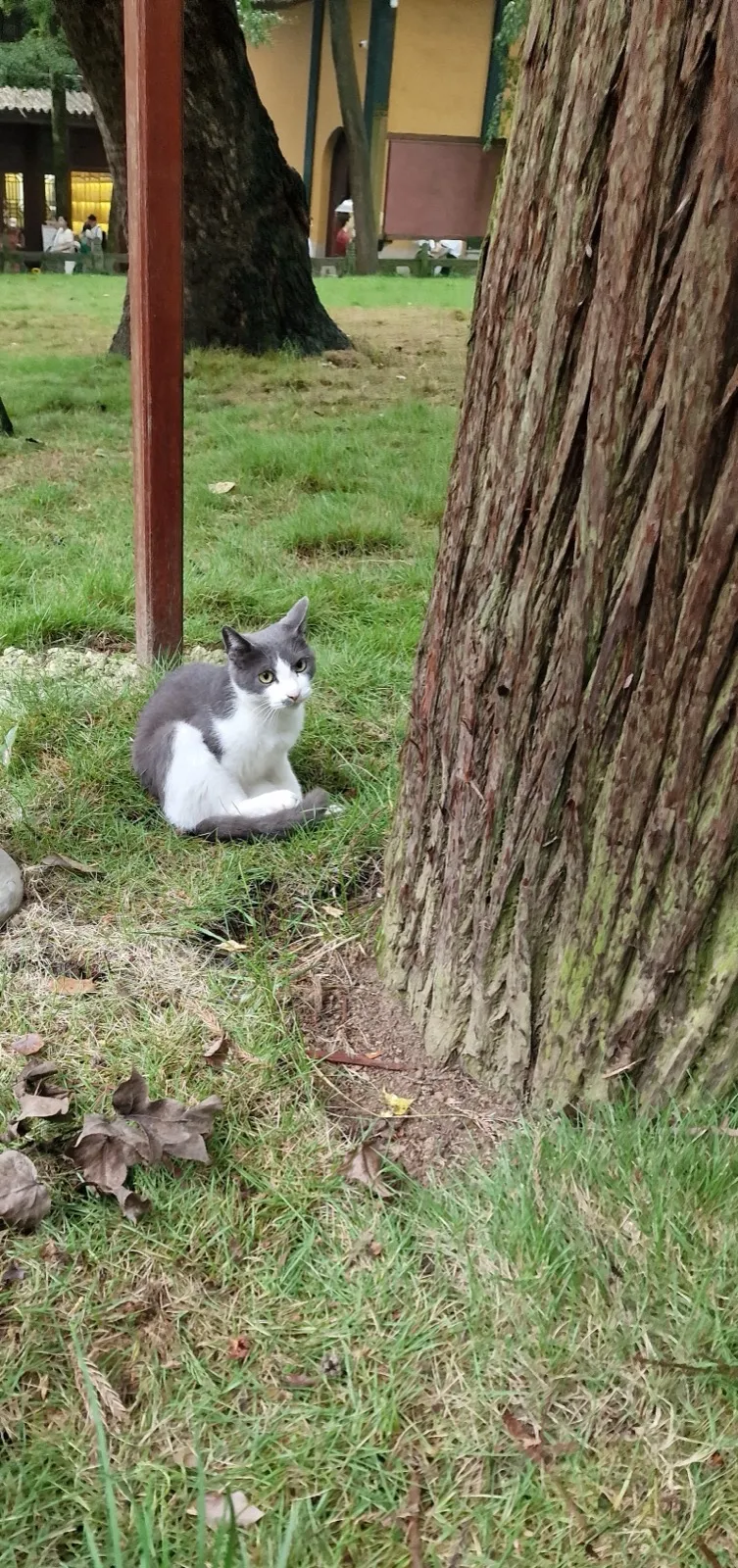
Cats are also often found in temples
Donations
Huge gratitude to everyone who supports my work with donations.
There is not and will never be any third-party integrated advertising on the channels.
I do not sell “paid personal consultations” All my videos and podcasts are open and free for everyone
The channels exist only thanks to your generosity and support.